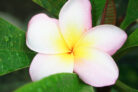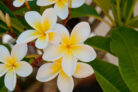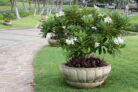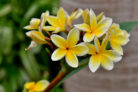
If you keep your Frangipani (also known as Plumeria) happy and healthy, you won’t run into trouble very often. However, these tropical beauties aren’t totally invincible. Since some infections can be fatal if left unchecked, it’s a good idea to give your plants a regular “check-up” so you can jump into action the moment you spot a problem.
Plumeria Diseases
The most common issues you’ll run into with Frangipani are:
- Stem Rot
- Root Rot
- Black Tip Fungus
- Plumeria Rust
Stem Rot
Stem rot is a common headache, especially for cuttings and younger plants. You can usually save the plant, but only if you catch it while the damage is still localized to a small area.
- Symptoms: The stem feels soft or mushy to the touch (it’s essentially rotting from the inside out).
- Cause: Overwatering or soggy soil.
- When it happens: Most frequently during or right after the winter dormancy period.
Treatment and Prevention
- Perform “surgery” by cutting away the affected parts (don’t be afraid to be radical here) and treat the area with a good fungicide.
- Prevention: Stop watering your Plumeria entirely during its winter nap. If you’re rooting cuttings, keep the water to an absolute minimum.
Root Rot
- Symptoms: The plant stops growing even though the leaves look green; underneath the soil, the roots are decaying.
- Cause: Standing water or soil that stays too wet (usually from overwatering or a rainy summer stretch).
- When it happens: This can strike any time of year.
Treatment and Prevention
- Stop watering immediately.
- Carefully remove the plant from its pot, trim away any rotted roots, and repot it into fresh, dry soil.
- Be very stingy with water for the next few weeks.
- Prevention: Adjust your watering schedule, ensure there’s a solid drainage layer at the bottom of the pot, and always empty the saucer after watering. Again, no water during winter dormancy!
Black Tip Fungus
This fungus targets the growing tips of your plant. If it spreads, it can unfortunately be lights out for your Plumeria.
- Symptoms: The very tips of the branches turn black.
- Cause: Cool, damp, and dark conditions.
- When it happens: It can pop up overnight at any time, but it’s most common in spring, fall, or during winter storage.
Treatment and Prevention
- Cut off the infected tips until you see healthy, white “flesh” inside the branch.
- Sunlight and warmth are natural enemies of this fungus. Often, the black tip will eventually dry up and break off (make sure to toss it in the trash, not the compost).
- Prevention: Give your plant a spot with full sun. If indoors, keep the humidity down and try to keep the leaves dry.
Plumeria Rust
While rust can cause your Frangipani to drop all its leaves pretty quickly, it’s rarely a death sentence for the plant.
- Symptoms: You’ll see orange, red, or brownish pustules on the buds, stems, and the undersides of leaves. The tops of the leaves will usually show yellow spotting.
- Cause: Spores spreading naturally or being introduced from other plants.
- When it happens: Any time of year.
Treatment and Prevention
- Isolate the infected plant so it doesn’t spread to your whole collection.
- Prune off the infected parts, seal them in a plastic bag, and throw them in the household trash.
- Treat the plant with an appropriate fungicide.
- Prevention: Keep the soil surface clean of fallen debris and avoid getting water on the leaves when you’re watering.