If you’re growing eggplants in your garden this year, you might find yourself with a “good problem”—harvesting way more fruit than you can eat at once! One of the best ways to save that summer goodness for later is by freezing them. Here’s everything you need to know to get it right.
The Season
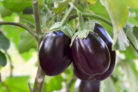
In most parts of the US, eggplants share the summer spotlight with cucumbers and tomatoes. If you get your seedlings in the ground in May (or once the soil is nice and warm), you can usually start harvesting by late July.
Of course, you can find different varieties of eggplant at the grocery store year-round, sourced from all over North and South America, but nothing beats the flavor of homegrown!
The Harvest
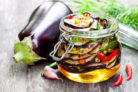
When you’re planning to preserve your crop, always pick healthy, fully ripe fruit. You can harvest them to dry , pickle , or freeze.
A quick heads-up: avoid freezing underripe eggplants because of their high solanine content. If you’ve picked some that aren’t quite ready, just let them ripen on your kitchen counter for a few days first.
What Can You Freeze?
You can freeze eggplants raw (with a little prep) or as part of a pre-cooked meal. If you’ve made a big batch of eggplant parmesan or ratatouille, just let it cool down and pop it straight into the freezer. Raw eggplants, however, need a little “spa treatment” before they hit the ice.
How to Prep Your Fruit
- Wash your freshly harvested eggplants thoroughly and peel them.
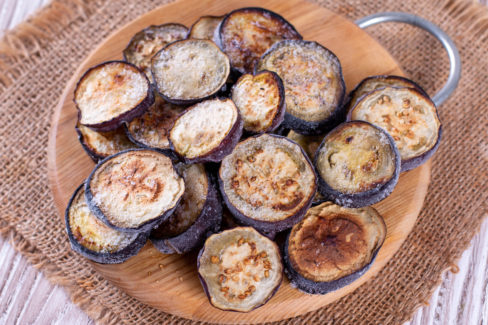
- Slice them into rounds about 1/3 inch (8mm) thick.
- Bring 2-3 quarts of water to a boil and add about 1/2 to 3/4 cup of lemon juice.
- Blanch the slices in small batches for about three minutes.
- Immediately dunk them into a bowl of ice water to stop the cooking, then pat them dry with a clean towel.
- Place them in a freezer bag or airtight container.
- They’ll stay fresh in the freezer for about 9 months.
- For cooked dishes, simply let them cool completely before freezing.
- Don’t forget to label your containers with the date!
Another great method is using your oven. Prick the whole eggplant with a fork so steam can escape, then roast it at 400°F (200°C) for 30–60 minutes. Once it’s soft, scoop out the flesh and freeze that.
Both blanching and roasting help destroy enzymes in the fruit. This keeps the eggplant from getting funky and prevents bacteria from growing while stored.
Pro tip: If you’re using plastic containers, don’t fill them all the way to the brim. Eggplant expands as it freezes, and you don’t want the lid popping off!
Thawing and Cooking
The best part? You don’t actually need to thaw them! You can toss the frozen slices directly into a pan or layer them into a casserole. Even pre-cooked meals usually reheat better if you start from frozen.
Quick Tip: To keep your eggplant slices from sticking together into one giant block, freeze them individually on a baking sheet first (flash freezing) or place a piece of plastic wrap between each slice.