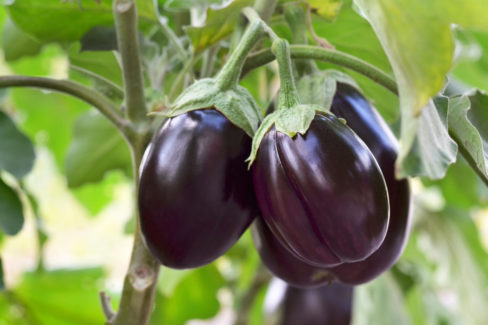
If you’ve been tending to eggplants in your garden or greenhouse this year, get ready—harvest season usually kicks off in late July! Of course, you can find these beauties at the grocery store year-round, but nothing beats the flavor of homegrown.
Nutritional Powerhouse
Eggplants aren’t just pretty to look at; they’re a nutritional win for any diet. They are packed with vitamins A and C, along with a healthy dose of B vitamins. You’re also getting essential minerals like calcium, iron, phosphorus, and potassium. Plus, they are low in fat but high in fiber and protein, making them a great choice for healthy eating.
Growing Tips
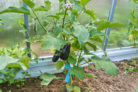
Eggplants are true sun-lovers. In many regions, they do best under glass or plastic to trap the heat. If you’re planning on planting them outdoors, make sure you pick the warmest spot in your yard—like a south-facing wall—or live in a mild climate. A simple overhead cover can also help create the right microclimate. Because they crave warmth and lower humidity, they make the perfect greenhouse companions for tomatoes and peppers. Just remember: they really need temperatures to stay above 60°F (15°C) to thrive.
The Harvest
Depending on the weather, you can usually start harvesting your first ripe eggplants around late July. You’ll know they’re ready when they reach their signature color—while deep purple is the most common variety here, look for a skin that has a beautiful, satiny sheen. Inside, the flesh should be a creamy white. When you’re ready to pick, use a sharp knife or a good pair of garden shears. Cut the fruit at the stem, keeping the calyx (the green cap) attached, and be careful not to bruise the fruit.
Harvest Season
In a greenhouse, you can often keep harvesting eggplants right through mid-October. If your plants are outdoors, the season wraps up with the first frost. You’ll notice the plants starting to slow down as early as September when the nights get chilly.
The Season
While your backyard harvest runs from July through August, the store-bought season is much longer. During the summer, most eggplants are imported from Mediterranean regions, while in the fall and winter, they travel from further afield in Africa and the Americas.
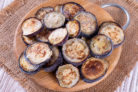
If you want to enjoy your garden bounty all year long, try preserving them! You can try freezing , drying , or pickling your harvest.
Quick Tip: Drying is actually one of the best ways to preserve eggplant. You can even make eggplant chips for a delicious and healthy snack!