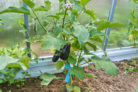
If you’ve got a greenhouse, you’ve got the perfect setup for growing your own eggplants! These heat-loving veggies thrive in a controlled environment, but since they take a while to get going, you’ll want to start your seeds indoors around late February. Ready to get your hands dirty? Here’s everything you need to know to get started.
The Seeds
If you buy pre-grown starts at the garden center, you’re usually stuck with just one or two basic varieties. But when you grow from seed? The world is your oyster! You can find eggplants in shades of white, yellow, green, and of course, those classic deep purples. They come in all shapes and sizes too—from round and plump to long and slender, and everything from bite-sized snacks to massive heirloom varieties.
The Soil
For the best start, use a high-quality seed-starting mix. These mixes are fine-textured and low in fertilizer, which is exactly what tiny seedlings need. If you’d rather use your own compost, mix in a little sand and sift it well so it’s nice and light. Pro tip: To avoid unwanted weeds popping up, you can “bake” your compost in the oven at 210°F (100°C) for about 10 minutes to kill off any stray weed seeds.
The Pots
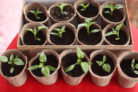
You’ve got options here. You can plant directly into small 3-to-4-inch pots, or use a seed tray. If you go with a tray, just keep in mind you’ll need to “prick them out” (transplant them) into their own pots once they get bigger.
Sowing the Seeds
- Fill your pot to the brim with your soil mix.
- Poke a small hole about half an inch deep in the center and drop in one or two seeds.
- Lightly cover those tiny seeds with soil.
- Give them a drink using a spray bottle. A heavy stream from a watering can might wash the seeds away or bury them too deep!
- To keep things nice and humid, cover your pots with a bit of plastic wrap or a humidity dome.
- Place them in a bright, warm spot.
- If you’re using a seed tray, follow the same steps—just space several seeds out across the soil and cover lightly.
- Be patient! It usually takes about 2 to 4 weeks for those little sprouts to poke through the soil.
Thinning and Transplanting
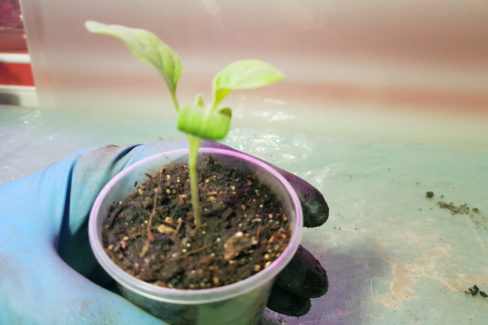
Once your seedlings have grown their first “true leaves” (the pair that appears after the initial seed leaves), it’s time to give them some elbow room. If you started them in a tray, carefully move each seedling into its own 4-inch pot.
To do this, fill a new pot with soil and poke a hole with a pencil or a small stick. Gently lift the seedling out of the tray and tuck it into its new home. Firm the soil down with your fingers and give it a light watering.
If you planted two seeds per pot, simply snip off the smaller, weaker plant so the stronger one has all the space to grow. You won’t need to move it again until it outgrows that pot.
By mid-May, your sturdy young plants are ready to be moved into the garden or your greenhouse . If all goes well, you’ll be harvesting your first homegrown eggplants by late July!
Quick Tip: To keep your plants from leaning or getting “leggy,” make sure they get plenty of light and rotate the pots every day. This ensures they grow straight and strong. On warm days, you can even set them outside for a few hours to “harden them off” and get them used to the fresh air!