Eggplants are a real showstopper in any garden. If you’ve got a greenhouse, you’re in the perfect position to grow this delicious veggie yourself. But don’t worry—even if you’re planting outdoors, these beauties can thrive as long as you give them the right conditions.
A Little History
Eggplants have been cultivated in Asia for about 4,000 years, eventually making their way from India to Southern Europe in the 15th century. Just like tomatoes and peppers, they belong to the nightshade family.
Starting from Seed
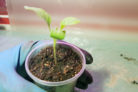
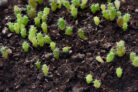
If you want to grow your eggplants from scratch, you’ll need to get those tiny seeds in the dirt as early as February. Fill small pots (about 3-4 inches) with seed-starting mix, press one or two seeds about half an inch deep, and give them a good drink.
To keep the moisture consistent, I like to cover the pots with a bit of plastic wrap. This creates a cozy, humid mini-climate that the plants just love.
Heads up: eggplants take their sweet time to germinate—usually 2 to 4 weeks. You’ll need a little patience and a warm spot that stays at least 70°F.
The Perfect Spot
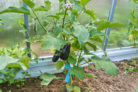
Eggplants are total sun-worshippers and crave heat. A greenhouse is really the gold standard for growing them. If you’re planting outdoors, they’ll only truly thrive in very warm climates, against a south-facing wall, or in a pot on a sunny balcony.
The secret to success is loose, humus-rich soil. Mixing in some well-aged compost or cured manure before planting will give your crop the nutrient boost it needs for a heavy harvest.
Getting Them in the Ground
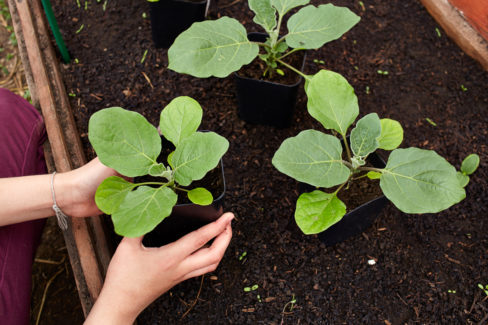
By late April, if the weather is holding steady, you can start planting in the greenhouse. For outdoor gardens, definitely wait until after the last frost in mid-May.
Once your soil is prepped with compost, I recommend adding a little organic fertilizer, like horn meal, to the mix.
- Dig a hole large enough for the root ball.
- Gently remove the eggplant from its starter pot.
- Place the seedling into the hole.
- Fill it back in with soil and press down firmly.
- Stake your plant! Stick one to three stakes in the ground next to it so you can tie up the branches as they grow.
- Give it a thorough watering.
- Space your plants about 20 inches apart.
- Good neighbors include peppers and cabbage. If you’re planting them near tomatoes, give them a bit more breathing room—at least 2 feet.
Care and Maintenance
Keep an eye on your watering over the next few weeks; they like things consistent. Rainwater is best, and if you really want to pamper them, use lukewarm water. Just fill your watering can the day before and let it sit in the sun or the greenhouse to warm up.
To keep the soil from drying out, try mulching around the base. Grass clippings or shredded nettle leaves work great. Just keep the layer thin (about 1.5 inches) so it doesn’t get moldy.
Once the first fruits appear, you can feed them every two weeks with a standard liquid fertilizer. Or, if you’re feeling crafty, you can make your own “plant tea.”
How to Make Homemade Fertilizer
- Roughly chop up some stinging nettles or other wild herbs.
- Stuff the greens into a bucket or pot.
- Fill it with water and let it steep for about 10 days.
- Fair warning: this stuff gets pretty smelly as it ferments, so keep the bucket in a far corner of the yard!
- Dilute the finished tea—1 part tea to 10 parts water—and stir well.
- This “liquid gold” is great for tomatoes and potatoes, too!
Pruning and Training
For the best results, train your eggplant to have three or four main stems. If you see extra shoots popping up, snip them off with a clean knife. Tie the stems to your stakes (or use twine attached to the greenhouse roof). It’s also a good idea to strip off the lower leaves; this improves airflow and helps prevent diseases.
Pests and Diseases
Like their cousins the tomato and potato, eggplants can get hit with late blight. Keeping your greenhouse well-ventilated and watering carefully at the base (avoiding the leaves!) will help keep them healthy.
To deal with aphids or whiteflies, I recommend using yellow sticky traps. The color draws them in, and they get stuck before they can do any damage.
The Big Harvest
You can usually start harvesting around mid-July. These fruits need plenty of sun and heat to fully ripen. Once they’ve reached their final color—whether that’s white, green, red, or deep purple—they’re ready.
Make sure they are fully ripe before eating, as underripe eggplants contain solanine, which can be toxic. Use a sharp knife to cut the fruit from the plant, but be careful! The stems often have little thorns that can give you a nasty poke.
Pro Tip: In their native tropical homes, eggplants are actually perennials. If you’re feeling adventurous, try digging them up in the fall, putting them in a large pot, and overwintering them indoors in a frost-free spot!