If you love the rich, savory taste of eggplant, why not try growing these beautiful plants in your own backyard? To make sure your harvest is a success, I’ve put together some pro tips and a step-by-step guide to get you started.
Starting Your Plants
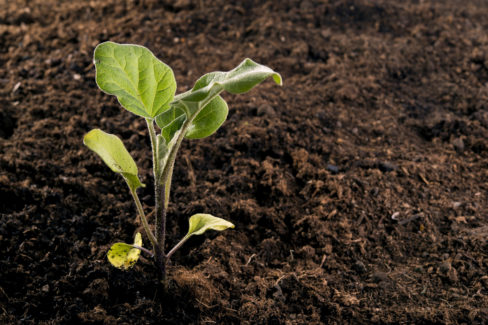
If you want to explore a wide variety of shapes and colors, it’s definitely worth starting your eggplants from seed yourself. However, if you’re getting a late start, you can find healthy young plants at garden centers and farmers’ markets starting in mid-May. Just keep in mind that the selection of varieties will be much smaller than what you’d find in a seed catalog.
A Quick Variety Guide
- Violetta Lunga: These produce slender, dark purple fruits with a classic green calyx (the “cap” at the top).
- Aubergine de Barbentane: A very vigorous grower that does well even in sheltered outdoor spots. The fruits are purple and medium-sized.
- Bernarys Blaukönigin: A high-yielding variety featuring light purple fruits and a matching purple calyx.
Preparing the Garden Bed
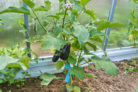
Eggplants are total sun-worshippers. In many climates, they really thrive best in a greenhouse . If you want to grow them directly in the garden, make sure you pick the warmest spot possible—like a south-facing wall that soaks up the heat.
Eggplants love soil that is rich in organic matter and nutrients. If you’re dealing with heavy clay, mix in plenty of high-quality compost to loosen things up. Planting a cover crop (like legumes) the previous year is also a great way to naturally aerate the soil and add a nitrogen boost. Before planting, loosen the soil well and work in some organic fertilizer, like horn meal or a balanced vegetable fertilizer.
How to Plant
- Dig a hole that is slightly larger than the plant’s root ball.
- Toss a handful of well-aged compost into the bottom of the hole.
- Carefully remove the eggplant from its pot and place it in the hole.
- Fill in the soil around the plant and press down firmly to remove air pockets.
- Water thoroughly and set up about three stakes around the plant for support as it grows.
Spacing Requirements
Give your eggplants plenty of elbow room! You should leave about 16–20 inches (40–50 cm) between each plant. If you’re planting them near tomatoes, increase that gap to at least 24 inches (60 cm), as these two don’t always make the best neighbors. On the other hand, peppers and cabbage get along great with eggplants and can be planted at the standard distance.
Growing in Containers
If you have a sunny, south-facing balcony or patio, you can absolutely grow eggplants in pots. Use a large container filled with high-quality potting mix or compost. Dig a hole, pop the plant in, firm the soil around it, and give it a good soak.
Care and Maintenance
Consistency is key when it comes to watering—don’t let the soil dry out completely. To help lock in moisture, you can mulch around the base of the plants with nettles or other organic clippings. Once the first fruits start to develop, feed your plants every 14 days with an organic liquid fertilizer or a homemade compost tea.
Pro tip: Only allow three to four main shoots to grow per plant. If the plant tries to grow too many fruits at once, it won’t have the energy to size them up, and you’ll end up with a bunch of tiny eggplants.
To keep pests like aphids or whiteflies at bay, yellow sticky traps work wonders. The bright color attracts the bugs, and they get stuck before they can do any damage.
One last tip: When watering, try to keep the leaves dry. It’s also a good idea to prune away any oversized or bottom leaves. This improves airflow around the plant, which is the best way to prevent mold and blight.