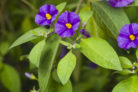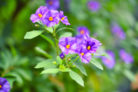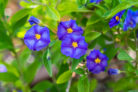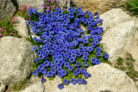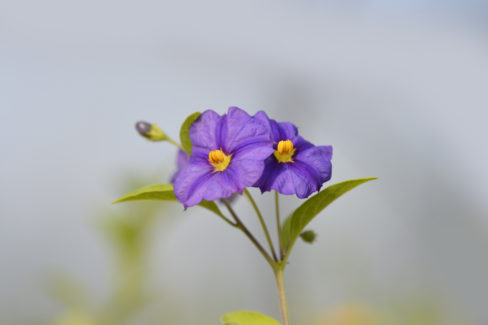
By late summer, the Blue Potato Bush (also known as the Gentian Bush or Lycianthes rantonnetii) is a total showstopper. This plant is a blooming machine, pumping out blue, violet, or white flowers well into the fall. But as the temperatures start to dip, it’s time to start thinking about a winter game plan.
Where should your Blue Potato Bush spend the winter?
The most important thing to know is that the Blue Potato Bush is not cold hardy. It absolutely needs a frost-free spot to ride out the winter. Ideally, nighttime temperatures shouldn’t drop below 40°F to 45°F (5°C to 7°C). If you keep yours in a slightly warmer spot—around 50°F to 55°F—just keep in mind that the plant will need more light than it would in a cooler room.
Prepping for the cold
Even while your bush is still covered in blooms in September, you should start cutting back on fertilizer. By October, stop feeding it entirely. If you live in a climate where early freezes are common, keep a close eye on the weather forecast. This plant has zero tolerance for frost, so you’ll want to bring it inside before the first freeze hits.
You don’t technically *have* to prune in the fall. However, since these shrubs can reach up to six feet tall, finding a spot for them indoors can be a challenge. If your plant has become a bit of a space hog, feel free to trim it back a bit to make it fit into its winter home.
Winter care tips
During the winter months, your Blue Potato Bush is in “chill mode.” You don’t need to fertilize at all, and you should only water when the soil feels dry to the touch. Keep an eye out for any hitchhiking pests and make sure to keep the plant away from cold, drafty windows or doors.
Once spring is around the corner, it’s time for a real haircut. When pruning, try not to take off more than half of the growth. If you get too aggressive with the shears, you might find that your bush won’t bloom as well (or at all) that coming season.
The Quick Essentials:
- Zero tolerance for frost.
- Overwinter at a minimum of 40°F (5°C) indoors.
- Trim back in the fall only if it’s too big for your space.
- Ideally, do your main pruning in the spring.
- No fertilizer in winter; water only as needed.
- Protect from cold drafts.
Pro Tip: Great winter spots include frost-free greenhouses, sunrooms, or even a bright basement.