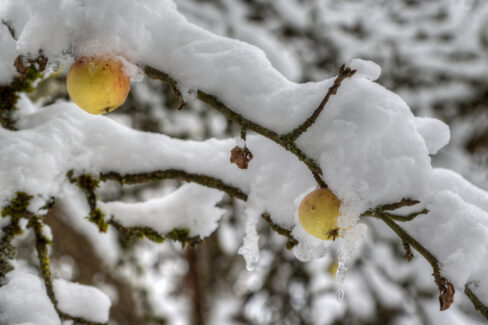
The winter months give us gardeners a little time to catch our breath, but they also mark the exciting start of a brand-new growing season. While it’s tempting to just stay cozy inside, there are a few things your apple trees need from you during the off-season. Here’s how to set your orchard up for success this winter.
Winter is the Best Time for Pruning
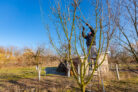
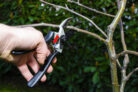
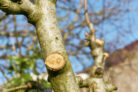
Since the leaves are gone, winter is actually the perfect time to get a clear look at the “skeleton” of your tree. This makes it much easier to handle your pruning. Aim to trim your apple trees between November and March. Just a quick tip: wait for a day when it’s not freezing cold. If temperatures drop below 21°F (-6°C), the wood becomes brittle and can easily snap or get damaged.
Winter Protection for Apple Trees
Most established apple trees are pretty tough and don’t need much winter protection. However, you should definitely step in if:
- Your tree is still very young and a deep freeze is in the forecast.
- You just finished planting in the fall.
- Your apple tree is growing in a pot or container.
Focus your protection on the main trunk and the graft union. For those smaller, newly planted trees, you can even wrap the crown in garden fleece. Try to get everything winter-ready before the first hard frost hits. Don’t forget the roots—a nice, thick layer of mulch will act like a warm blanket against the frost.
Give the Trunk a White Coat
Applying a lime wash (or white tree paint) is a classic pro move to protect the trunk from “frost cracks.” These happen when the sun warms up the bark on a cold day, causing the wood to expand and then rapidly contract when the sun goes down. Painting the trunk white reflects that sunlight and keeps the bark at a steady temperature.
How to Keep Your Apples Fresh All Winter
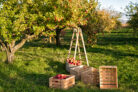
If you’ve had a great harvest, you can keep those apples crisp well into the winter with these storage hacks:
- Only keep the “perfect” apples for long-term storage (no bruises, and keep the stems on if possible).
- Store them in crates, ideally in a single layer. This ensures the sides and bottom get plenty of airflow.
- Keep the room chilly—the sweet spot is right around 37°F to 40°F (3-4°C).
- Make sure the area is well-ventilated so the apples don’t dry out or get shriveled.
- Keep the humidity up. If the air is too dry, just set out a few bowls of water.
- Don’t store your apples next to potatoes (they’ll make each other spoil faster!).
- Make sure your storage spot is “critter-proof” so rodents don’t get to your snacks first.