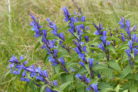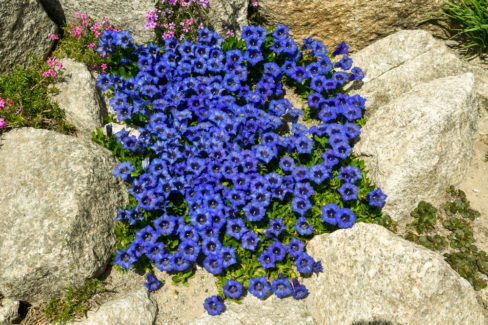
When autumn rolls around, most of us gardeners reach for the shears to tidy up our perennials. But when it comes to gentians, there’s actually a bit of a debate on the best approach. While the taller varieties definitely benefit from a pre-winter haircut, the low-growing, stemless types—like the classic Blue Gentian—are a bit more flexible.
Does pruning make sense, and if so, when?
If you’re growing tall varieties like the Yellow Gentian, you’ll want to prune them back in the fall. Cut those long, dry stalks down to about 4 inches (10 cm). This makes it much easier to tuck them in with some brushwood or mulch to protect them from a harsh freeze. For the low-growing Blue Gentian, you can usually skip the heavy pruning and just tidy up any spent flowers or withered leaves.
Once your gentian has finished blooming, here’s a quick checklist for your cleanup:
- Give it a light “shape up” after flowering, especially if your Blue Gentian is starting to look a bit unruly.
- Snip off any unwanted shoot tips or stray stems right down to the ground.
- Clear away faded blooms and dried-out foliage.
- Clip off dry seed pods if you want to prevent the plant from self-seeding all over the garden.
- Do a final pre-winter cut-back to about 4 inches for the taller types.
During the actual blooming season, keep the pruning to a minimum—just a light deadheading can often encourage a second flush of flowers. Save the real work for autumn, whether your plants are in the ground or in containers. Since gentians are non-toxic ornamental plants, you don’t need to worry about any special safety gear while you work. Cutting them back also makes winter prep a whole lot easier. Even though gentians are hardy, they really appreciate a little extra insulation. A layer of brushwood or fir branches works wonders. For potted plants, wrap the containers in fleece or bubble wrap and move them to a sheltered spot to ride out the frost.
What if your gentian isn’t blooming?
If your gentian has stopped flowering or is looking a bit sparse, put the shears away—pruning won’t fix this one. Usually, it means the plant has become overgrown and needs a “rejuvenation cure.” Dig the plant up and gently divide it. Replant the sections in fresh soil, adding a bit of lime or humus depending on the specific variety’s needs. This little refresh will help your gentian bounce back and start blooming beautifully again in no time!