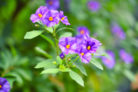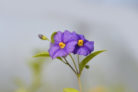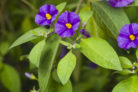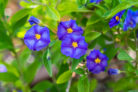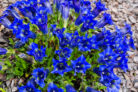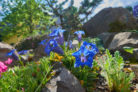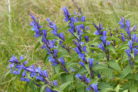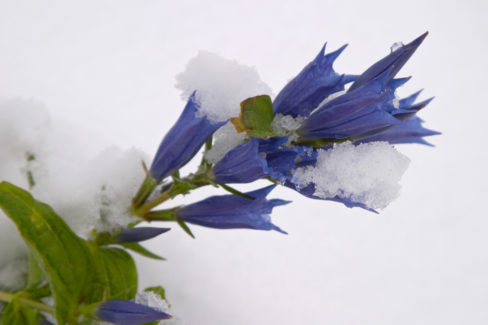
Gentians are the ultimate mountain survivors. In the wild, you’ll find them tucked into alpine meadows, forest edges, and rocky cliffs where the weather gets pretty intense. Because they’re used to those high-altitude winters where the thermometer stays well below zero, these plants are incredibly hardy and won’t break a sweat when the frost hits.
Gentians in Your Garden
The varieties we grow in our home gardens are a bit more colorful than their wild cousins, blooming in shades of blue, white, pink, yellow, or even red. You’ve got options ranging from low-growing, stemless types like the classic Blue Gentian to the taller Yellow and Red varieties. Since different species bloom at different times, you can actually time your planting so you have beautiful blossoms to admire for most of the season.
During the summer, gentians are pretty low-maintenance and just want to be left alone to do their thing. Aside from giving them some extra water during a dry spell, they don’t need much fussing. It’s only when late fall rolls around and the blooming season ends that they need a little more TLC.
Getting Your Gentians Through the Cold
While gentians are tough enough to handle a freezing winter, their real enemy is actually a soggy autumn. These plants absolutely hate “wet feet.” If the soil stays waterlogged from constant rain, their roots will start to rot, which can seriously damage or even kill the plant.
The best way to prevent this is to plan ahead during planting. I always recommend adding a drainage layer of broken terracotta shards or gravel at the bottom of the hole. If your soil drains well, you can go ahead and trim back the dead stems and spent flowers to prep for winter. Here’s my quick checklist for a successful winter:
- To keep the soil nutrient-rich through the off-season, spread a healthy layer of compost around the base of the plant.
- Cover the remaining foliage with some evergreen brush or pine boughs for protection.
- If you’re growing Koch’s Gentian, keep in mind it loves slightly acidic soil, so pine branches are a perfect mulch choice here.
- Don’t forget that plants can still get thirsty in the winter! On days when the ground isn’t frozen, give them a light watering so they don’t dry out.
Winter Care for Potted Gentians
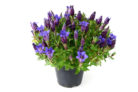
If you’re growing your gentians in pots or window boxes, they can stay outside, but they’ll need a little extra insulation. Place the pot on a piece of wood or a foam board to keep it off the cold ground, and cover the plant with brush or pine greens. Try to tuck the pot into a spot that’s shielded from those biting winter winds.