Growing your own avocado tree is such a fun project! But if you’re dreaming of seeing those little flowers sooner rather than later, grafting is the way to go. Here’s a quick guide on how to get it done.
A Little Botany Lesson
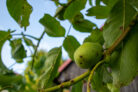
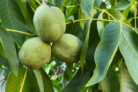
In their natural habitat, avocado trees can tower up to 60 feet high. They’re actually part of the laurel family and thrive in tropical and subtropical climates. It usually takes about 6 to 10 years for a tree to start blooming, but when it does, it produces millions of flowers . The fruit itself is technically a single-seeded berry, and depending on the variety, it can be pear-shaped, round, or egg-shaped.
Avocados are a total superstar in the kitchen thanks to those healthy fats and vitamins. Whether you’re mashing them onto toast or tossing them into a salad, a little pinch of salt and a squeeze of lemon juice really makes the flavor pop!
Why Grafting Matters
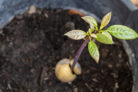
Once your homegrown avocado sapling reaches about 20 to 40 inches tall, it’s ready for grafting. To do this, you’ll need a “scion”—which is just a fancy word for a cutting from a mature, fruit-bearing avocado tree. Since finding a full-grown avocado tree in your backyard might be tough depending on where you live, try to find a friend with an older indoor tree or use a cutting from a more established plant you already own.
Step-by-Step Guide
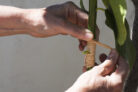
- Using a sharp knife, make a T-shaped incision about halfway up the stem of your young tree (the “rootstock”).
- Start with a horizontal cut about half an inch below a bud. Be careful not to cut more than a third of the way into the stem.
- Place your knife in the center of that horizontal cut and slice downward about an inch.
- Cut a healthy-looking small branch from your older, mature avocado tree.
- Pick a good bud on this new cutting and trim just below it. Make sure there are no leaves on this piece, and gently peel back a bit of the bark at the base.
- Whittle the end of the cutting into a wedge shape and tuck it firmly into the T-cut on your main plant.
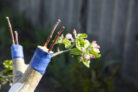
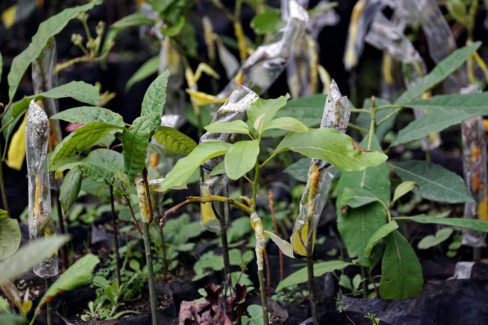
- Secure the graft tightly with electrical tape or specialized grafting tape.
- After about a month, the branch should have fused. You can then remove the tape and prune back the original stem of the host plant above the graft site.
Pro Tip: The best time to try grafting is in early spring. This is when the plant’s growth cycle kicks into high gear, giving your new graft the best chance to take hold!