With a little patience and the right technique, you can grow your very own avocado tree right from the pit! It’s a super rewarding project, but there are a few things you should keep in mind to make it a success. Let’s dive into everything you need to know.
Origin and Background
Avocados are native to the tropical and subtropical regions of Central and South America. In their natural habitat, they can grow into massive trees reaching about 65 feet in height. They’ve been a staple in Mexico for over 10,000 years, and today, there are over 400 different varieties grown worldwide. While they’ve been cultivated in the Mediterranean since the 20th century, they remain a classic evergreen member of the laurel family. These fast-growers feature ash-grey bark (which actually contains antibacterial properties) and soft wood.
You can find avocados in our grocery stores all year round. Depending on the month, they might travel from Mexico, Israel, or Spain to reach your kitchen.
One thing to keep in mind is the avocado’s ecological footprint. It takes about 1,000 liters of water to produce just one kilogram of fruit. For comparison, tomatoes only need about 180 liters for the same amount. Growing your own at home is a great way to appreciate just how much work goes into every fruit!
The Pit
Once you’ve picked out a perfect avocado, slice it open carefully to avoid nicking the pit. Enjoy the creamy fruit on toast or in a salad, but save that seed! First, you’ll need to clean off any leftover fruit residue. I find that rubbing it with a dry paper towel works wonders, followed by a quick rinse under the tap.
Fun fact: The pit is actually edible! You can dry it out and grate it sparingly as a spice. It has a unique, slightly nutty flavor.
Sprouting Your Avocado
To get your pit to sprout , you have two main options. Both work great, so it’s really down to your personal preference:
- Sprouting in water
- Sprouting in soil
The Water Method
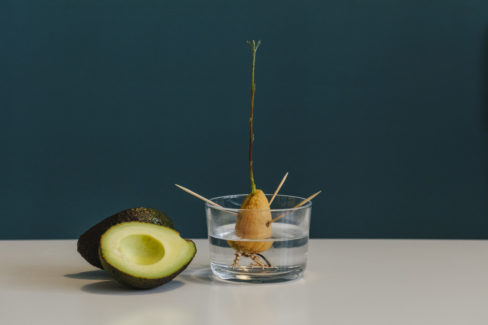
To encourage roots to grow in water, the bottom third of the pit needs to stay submerged. Find a glass that’s slightly wider than the pit itself.
Carefully poke three or four toothpicks (or sharpened matches) into the middle of the pit, spacing them out evenly around the circumference.
Balance the pit on the rim of the glass with the pointed end facing up. Fill the glass with enough water so the bottom third of the pit is submerged.
Make sure to change the water every few days to prevent bacteria from moving in. Now, you’ll need some patience—it can take up to eight weeks for an avocado pit to sprout. Wait until you have a healthy root system and at least six pairs of leaves before transplanting it into soil.
The Soil Method
- Clean the pit thoroughly.
- Fill a 4-to-6-inch pot with high-quality seed-starting soil.
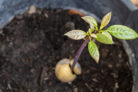
- Place the pit in the soil with the pointed end facing up.
- About two-thirds of the pit should still be visible above the soil line.
- Water it well and stretch some plastic wrap over the top to keep the moisture in.
- Keep a close eye on it over the next few weeks to ensure the soil stays consistently moist.
Potting Your Tree
Once your sprout has developed a strong root system and about six pairs of leaves, it’s time for its permanent home. A pot with a diameter of about 8 inches is a great starting point.
For the best results, use a potting mix designed for palms or citrus trees. If you want to use your own compost, mix it with two parts sand and a bit of loam for drainage.
Put some soil in the bottom, place your sprouted pit on top, and gently fill in the rest. Tap the pot on the table a few times to help the soil settle between the roots.
Finally, press the soil down firmly and give it a good drink of lukewarm water. Place it on a saucer in a sunny, warm spot on your windowsill.
Care and Maintenance
Avocado trees love warmth and high humidity. To keep yours happy, water it regularly and give it a misting every now and then—this boosts humidity and helps keep pests away. They thrive in temperatures between 68°F and 77°F (20-25°C). They’ll tolerate cooler temperatures in the winter, but make sure they get as much light as possible and cut back on the watering during the colder months.
Since they are fast growers, you should fertilize your tree every two weeks during the summer growing season. You can skip the fertilizer entirely during the winter.
Pro Tip: If you bought an avocado that isn’t quite ripe yet, try placing it in a paper bag or sitting it next to a ripe apple. Both tricks will speed up the ripening process significantly!