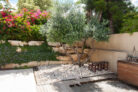
If you’re looking to give your backyard those breezy Mediterranean vibes, nothing beats having your very own olive tree. These beauties are incredibly long-lived—with the right love and care, an olive tree can literally become a family heirloom passed down through generations. That’s why putting in the effort to grow your own from scratch is so rewarding!
The Challenge of Getting Your Seeds
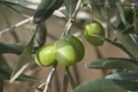
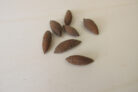
Just like cherries or plums, olives are “stone fruits.” But unlike those soft summer fruits, a fresh olive is actually quite hard right off the branch. Now, here’s the catch: if you want to use the pits for planting, they cannot be brined or pickled first. You’ll need to carefully cut the pits out of the fresh fruit yourself, making sure not to nick or damage the seed inside.
Choosing the Right Seeds
If you want to be successful, picking the right starting material is half the battle. Here’s what you need to look for:
- Only use fully ripe olives.
- Make sure they haven’t been processed or cooked.
- Toss out any olives that look damaged or bruised.
Once you’ve removed the bulk of the fruit, give the pits a good scrub under lukewarm running water to get rid of any leftover residue. Pro tip: If you bought dried seeds online instead of using fresh fruit, you’ll need to soak them in water for at least 24 hours before planting.
Sowing Your Seeds
Before you tuck your seeds into the dirt, here’s a little secret: lightly nick or scarify the tip of the pit with a file or knife. This helps the sprout break through and significantly boosts your germination rate.
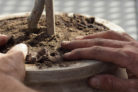
Next, fill your starter pots with a high-quality seed-starting mix. Press the pits into the soil with the pointed end facing up, and cover them with just a thin layer of soil. Give them a light watering to get things settled. You’ll want to keep the soil consistently moist, but be careful—don’t let it get soggy, or the seeds might rot.
Finally, find a bright, sunny spot for your pots where the temperature stays between 70°F and 77°F (20-25°C). If you’re patient, you should see those first little sprouts popping up anywhere from four to twelve weeks later!