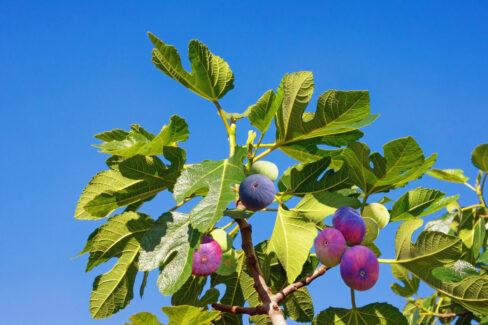
While figs naturally hail from warmer climates, they can actually handle the winter just fine here in the States—provided you give them a little TLC. During their first few years, they’ll need some extra protection to get established. To make sure you’re actually harvesting fruit down the road, picking the right variety and the perfect spot in your yard is key.
Choosing the Right Variety
If you’re planting in a region that sees frost, you definitely want to stick with self-fertile varieties. In their native habitats, figs usually rely on a specific type of wasp for pollination. Since those little guys aren’t native to our colder climates (and wouldn’t survive the winter anyway), traditional varieties won’t produce fruit here.
Self-fertile varieties are a game-changer because the fig blossom has everything it needs to pollinate itself. Pro tip: even though they can go it alone, I’ve found that you’ll get way more flowers and a much bigger harvest if you plant a few fig trees near each other. They just seem to thrive in company!
The Perfect Spot
Figs are total sun-worshippers. If you stick them in the shade, they’ll look pretty sad and will likely produce little to no fruit. Plus, shady spots are tough in the winter because snow lingers longer and the ground stays frozen, which is hard on the roots.
Even though figs are surprisingly frost-hardy, you’ve got to protect them during those first few winters. Without a little help, a hard freeze can really do some damage. Once the trees are older and established in a good spot, they can usually handle the cold on their own. For younger trees, wrapping them in burlap for the winter works wonders. If you have a larger plant, you can pick up some special winter fleece to keep it cozy.
Pots vs. Planting in the Ground
A happy fig tree can reach a height of up to ten feet, but don’t let that stop you from growing them in containers! Growing figs in pots is great because it makes winterizing a breeze. You don’t even necessarily need a heated space; an unheated greenhouse or a sunny, sheltered corner of the garden is often enough to keep the worst of the frost at bay.
That said, planting directly in the ground is much less work in the long run. In-ground figs don’t need nearly as much fertilizer, and you really only need to water them during long dry spells. Plus, they tend to be a bit tougher when it comes to warding off pests and diseases.