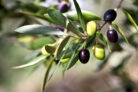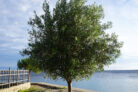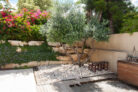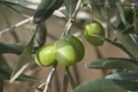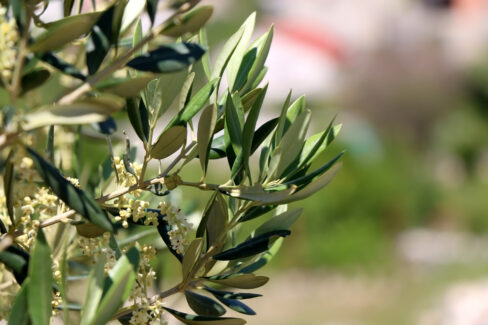
Harvesting olives in the States isn’t just for California growers! While you won’t see massive commercial olive groves in cooler climates, plenty of us enjoy growing these beautiful trees in our own backyards or on the patio. However, getting your tree to actually produce fruit can be a bit of a challenge if the summer weather doesn’t cooperate or—more importantly—if pollination doesn’t happen.
Olive Trees Usually Need a Buddy
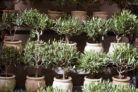
The main reason most home gardeners don’t see many olives is that they usually only have one balcony tree or a single potted olive. Here’s the deal: most olive varieties are cross-pollinators. This means they can’t do the job alone; they need a second tree nearby to produce fruit. Unless your neighbor happens to have one, you’ll likely need at least two trees in your garden to get a harvest.
It’s All About Different DNA
Since buying a second mature tree can be a bit pricey, many DIY gardeners try propagating their own via cuttings. It’s a fun project, but there’s a catch: those clones have the exact same DNA as the mother plant. Because they are genetically identical, they won’t pollinate each other effectively, leading to little or no fruit. To get a real harvest, you really need a second tree of a different variety.
Lend a Hand with a Paintbrush
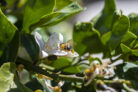
Another hurdle? Olive trees love a sheltered, sunny spot away from harsh winds. But since olives are wind-pollinated, a calm, protected corner means the pollen might not travel between your trees on its own. If the breeze isn’t doing the work, you’ll have to step in! Just grab a small paintbrush and manually transfer the pollen from the flowers of one tree to the other.
Even if you choose a self-fertile variety (where one tree *can* technically do it all), helping them out with a brush is still a great idea since they still rely on air movement. If you’re looking for a “lone wolf” tree that doesn’t strictly need a partner, look for these varieties:
- Leccino
- Frantoio
- Aglandou
- Cailletier