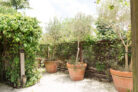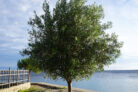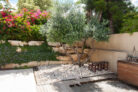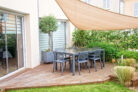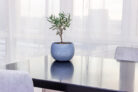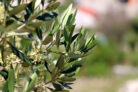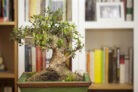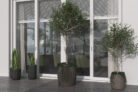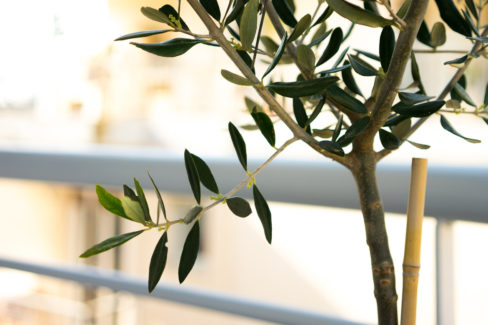
While garden owners often struggle with filling up too much space, us balcony gardeners usually have the opposite problem: we’re working with limited real estate! That means every plant we choose has to earn its keep. One of my absolute favorite ways to add some character to a small space is with an olive tree. Pair one with the right bistro set, and you’ve instantly got a little slice of Italy or Greece right outside your door.
Low-Maintenance Plants with Specific Tastes
The great news about olive trees is that they’re incredibly chill, even when grown in a pot. They don’t need constant hovering or a complicated care routine. However, they do have a few “must-haves” when it comes to their location if you want them to thrive. Keep these three things in mind:
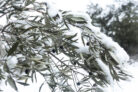
- Keep them away from frost.
- Give them as much sun as possible and protect them from harsh drafts.
- Never let them sit in soggy soil.
It’s All About the Soil
To get your olive tree off to a good start, you need to pick the right potting mix. These trees actually prefer soil that isn’t too rich in nutrients. A good rule of thumb is to take standard potting soil and mix it with coarse sand or gravel at a ratio of about two-to-one. Not only does this keep the nutrient levels in check, but it also drastically improves drainage. As I mentioned, olive trees have “wet feet” issues, so that extra drainage is a lifesaver.
Keeping Your Tree Happy
You can breathe a sigh of relief: constant fertilizing and daily watering aren’t necessary here. You don’t even have to worry about a major pruning session every fall, since olive trees are naturally slow growers. The most important thing is winter protection. Because the roots are in a pot rather than deep in the ground, they’re much more vulnerable to the cold.
Once late fall hits, wrap your pots generously in garden fleece or even old blankets. If the winter gets really brutal, you’ll need to bring your tree indoors to a “winter quarter.” A bright, cool room (around 50°F) is the perfect spot for them to nap until spring returns.