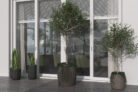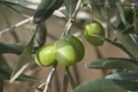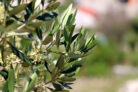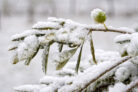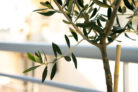
Since olive trees hail from the sunny Mediterranean, they can handle summer heatwaves without breaking a sweat. On the flip side, they aren’t exactly fans of freezing winters, which means they can’t stay outside year-round in colder climates. At first glance, this makes them seem like the perfect indoor plant, right? Well, not quite. Despite what you might think, olive trees don’t actually make great long-term roommates.
Olive trees need a winter chill
Olive trees are incredibly tough plants, but that resilience depends on one thing: a proper winter nap. To stay healthy, they need a dormant period triggered by cool temperatures and plenty of light. Keeping your tree in a cozy, heated living room all winter prevents it from resting, which is why growing them as permanent indoor plants usually ends in disappointment.
Get them outside when the sun shines
Because they crave fresh air and specific temperature shifts, olive trees shouldn’t be kept indoors. As soon as spring starts to wake up, move your tree out to the patio or balcony. Unlike many delicate garden flowers, you don’t have to wait until the very last frost in May to move them out. Olive trees are actually pretty gutsy and can handle a quick dip in temperature; they only really run into trouble during long, sustained deep freezes.
Skip the living room for winter storage
One of the biggest mistakes you can make is overwintering your olive tree in a warm living room. If it stays too toasty during the winter months, it misses out on its essential recovery phase. This lack of “beauty sleep” makes the tree much weaker the following year, making it harder for it to adapt to outdoor conditions. Even worse, a stressed tree is a magnet for diseases and pests. To keep your tree happy, find a winter spot that hits these three marks:
- As much natural light as possible
- Well-protected from harsh winds
- Consistent, cool temperatures (around 50°F / 10°C)