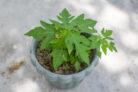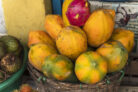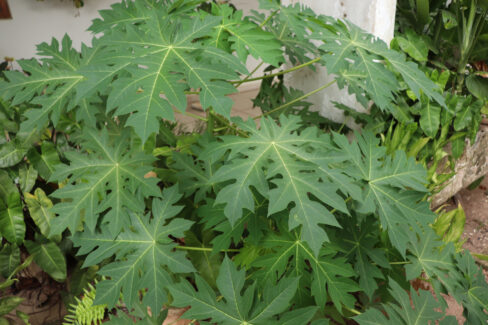
Growing your own papaya is actually super easy to do from seed! You can even use the seeds from a store-bought fruit, provided it was harvested close to its peak ripeness. To make sure your little green project is a success, there are just a few tricks you should keep in mind.
Sowing Your Seeds
Getting papaya seeds to sprout is pretty straightforward, and you’ll usually see action in just about two weeks. However, there’s a little prep work involved: you’ll want to ferment the seeds first. They come covered in a gel-like coating that’s designed to prevent them from sprouting too early. To get past this, just pop the seeds into a sealed mason jar for about three weeks and keep it somewhere warm.
Once they’ve fermented, give them a good rinse and plant them right into the soil. A standard seed-starting mix works great, or you can use coco coir if you prefer something low-nutrient. To get them to pop, keep the temperature between 75°F and 82°F. Most importantly, don’t let them dry out—keep that soil consistently moist!
First Fruits in Just a Few Months
After about two weeks, once your seedlings have sprouted, it’s time to give them their own space by thinning them out or transplanting them into individual pots. Since papayas aren’t fans of the cold, growing them in containers is definitely the way to go. When you plant your papaya, make sure to use a nutrient-rich potting soil that holds onto moisture well.
That said, papayas hate “wet feet” (standing water), so you’ll want to create a drainage layer at the bottom of the pot using expanded clay or lava rocks. I actually like to mix some of those granules right into the soil, too—they act like little sponges that store water and release it back to the roots when the plant needs a drink.
Ongoing Care
Papayas are thirsty plants! To make sure you don’t accidentally skip a watering, I highly recommend using a simple moisture meter. Other than that, they’re actually pretty low-maintenance. Just try to use room-temperature water so you don’t shock the roots, and feed them with a liquid fertilizer every two to three weeks.
When you bring them inside for the winter, the biggest challenge is dry indoor air. Remember, these are tropical beauties that love humidity! Keep an eye on the moisture levels in the air to keep your papaya happy and thriving all year long.