There are a few different ways to grow your own pomegranate trees, but if you’re looking for a high success rate, starting from seed is a fantastic way to go. You can simply take the seeds from a fully ripe fruit and get them in the soil right away!
Harvesting the Seeds
If you’re planning to propagate pomegranates yourself, you’ll need a little bit of patience. It can take up to ten years for a seedling to produce its first flowers. However, these home-grown plants make excellent rootstock for grafting. Grafted plants usually start bearing fruit much sooner—often within just a few years.
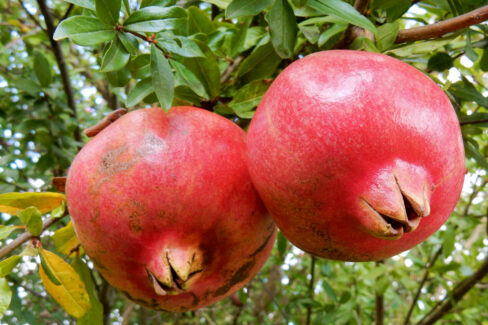
Before you can plant, you’ve got to get to the seeds. The best way is to pull the fruit apart, starting from the blossom end. Make sure you only use fully ripe pomegranates; seeds from unripe fruit usually won’t germinate at all.
Once you’ve got the seeds out, you need to remove that juicy red pulp. I find it easiest to rub them through a sieve. Bonus: you can catch the juice and drink it! Rinse the remaining seeds under running water and pat them dry on a paper towel.
Sowing the Seeds
Pomegranates are “light germinators,” which means they need light to sprout and shouldn’t be buried under a thick layer of soil. I highly recommend using a mini indoor greenhouse for this; the lid helps keep the humidity up so the seeds don’t dry out. You can use a standard seed-starting mix or a specialized pomegranate substrate that blends organic and mineral components.
How to plant them:
- Fill your tray or pot with soil.
- Spread the seeds across the surface.
- Gently press them down so they have good contact with the soil.
- Mist the seeds and the soil thoroughly with a spray bottle.
At an ideal temperature of 68-77°F (20-25°C), germination can take up to six weeks. If you’re in a hurry, try soaking the seeds in warm water for 24 hours before planting to speed things up!
Caring for Your Seedlings
Since these seeds need light to wake up, they’ll need plenty of daylight from day one. If you’re starting them during the darker months, you might want to use a grow light to give them a boost. During the germination phase, make sure the soil and the pomegranate seeds never dry out completely. Also, remember to vent your mini greenhouse regularly to prevent mold from moving in.
Once those first seed leaves (cotyledons) appear—usually within six weeks—give them a few more weeks to get strong before you move them into individual pots. When you do transplant them, use a potting mix with a slightly higher organic content than your initial seed-starting soil.