Growing a beech tree from a seed is definitely a project for the patient gardener, but man, is it rewarding! It takes some time before you’ll see those first little sprouts, but there’s nothing quite like the feeling of watching a tree you started from scratch reach for the sky in your own backyard.
Finding Seeds That Actually Work
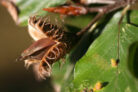
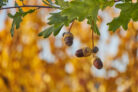
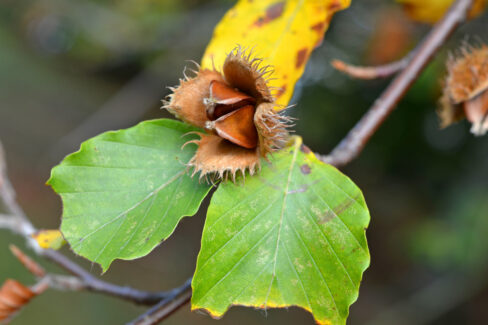
In the fall, beech fruits ripen and hit the ground. This is your cue to head out and start collecting them for your project.
Pro tip: Try to pick ripe, closed husks directly from the tree if you can. You’ll know the seeds inside are mature if they have a nice white color. Even if you only want one single tree, you’ll want to gather at least 30 beech nuts. Nature can be picky, and many of them simply won’t germinate. Always go for the biggest, healthiest-looking ones you can find.
Want to know a secret trick to see if your seeds are duds? Drop them in a bowl of water. If they sink to the bottom, they’re good to go! If they float, they likely won’t sprout, so you can toss those aside.
Breaking the Seed’s “Sleep Mode”
Beech seeds have a built-in “sleep timer” called seed dormancy. In the wild, this prevents them from sprouting right before a freezing winter. To mimic nature, you’ll need to store your seeds in a cool, dark place for a few weeks. This tricks the seed into thinking winter has passed so it’s ready to wake up when things get warm again.
How to Sow Your Beech Seeds: Step-by-Step
To give your mini-forest the best start, just follow these steps:
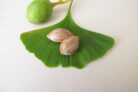
- Remove the beech nuts from their outer shells. (Fun fact: they are slightly toxic if eaten raw in large amounts, but they are technically edible!)
- Keep the seeds in a cool, dark spot for several weeks.
- Prepare your planting area. Here’s a “insider” tip: beech seeds sprout best in the same type of soil where the parent tree grew. If you can, grab a little soil from the forest floor where you found the seeds.
- Time to plant! Push the seeds into your soil mix with the pointed end facing down.
- Finish it off by covering the seeds with a layer of leaf mulch.
One thing to watch out for: squirrels and mice think these seeds are a five-star buffet. To keep your future trees from becoming a snack, protect the area with a bit of wire mesh or a small fence.
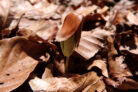
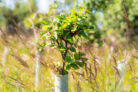
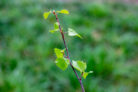
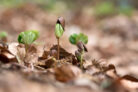
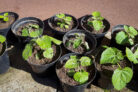
By springtime, you should see some action! Once the strongest seedlings have established themselves, you can continue to nurture them until they’re ready to be transplanted to their forever home in your garden.