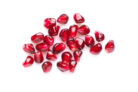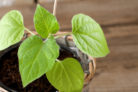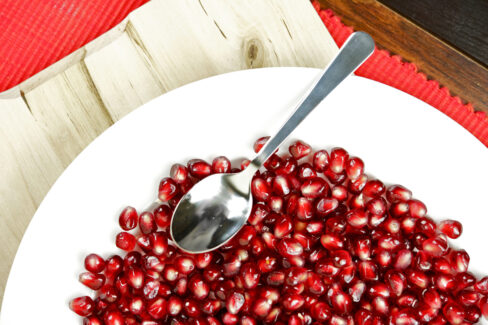
If you’re a fan of fresh pomegranate juice, you probably find yourself with a mountain of seeds left over. Don’t toss them! Those seeds are actually gold—you can dry them for your morning granola or, even better, use them to grow your very own pomegranate trees. Growing them from seed is surprisingly easy and has a really high success rate.
Harvesting the Seeds
While you can grow pomegranates from cuttings, starting from seed is the way to go if you don’t already have a tree in your backyard. Just grab a fruit from the grocery store, but make sure it’s fully ripe. Since pomegranates don’t continue to ripen after they’re picked, an unripe fruit might leave you with seeds that won’t germinate.
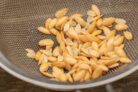
To get started, scoop the seeds out and pop them into a sieve. Press them down to squeeze out all that delicious juice (save that for later!) until you’re left with just the hard inner pits. Give them a quick rinse under the faucet. Pro tip: Don’t let the seeds dry out completely before planting, as this can make them less likely to sprout. It’s best to get them in the dirt right away.
Sowing Your Seeds
Patience is a virtue in gardening, and these guys can take up to six weeks to sprout. To speed things up, try soaking the seeds in warm water for about 24 hours before planting. Once they’ve had their soak, place them in a seed-starting tray or a mini indoor greenhouse filled with high-quality seed-starting mix.
Now, here’s the important part: pomegranates are “light germinators.” This means they need light to wake up, so don’t bury them! Just press them gently into the surface of the soil. Use a spray bottle to mist them instead of a watering can; this prevents the soil from washing over the seeds and burying them. Place your tray in a bright, warm spot. You’re aiming for a cozy temperature between 68°F and 77°F (20°-25°C).
Nutrient-Packed Seeds
Since a single pomegranate is packed with hundreds of seeds, you’ll likely have plenty left over. Even without the juicy red pulp, the inner seeds are incredibly healthy and can be dried for snacks. I love crushing them up or grinding them into a fine powder to add a nutritional boost to salads and smoothie bowls.
They’re even safe as an addition to dog food! They don’t contain anything harmful to our furry friends. Packed with vitamins, minerals, and cell-protecting antioxidants, these little seeds are a fantastic health boost for both humans and pets alike.