Looking to keep your balcony lush and green even when the temperature drops? You’re in the right place! We’ve rounded up the seven most popular winter-hardy balcony plants to keep your outdoor space looking lively all season long—plus, we’re sharing our favorite “insider tip” at the end.
[[pflanzen]]
++Wintergreen (Gaultheria procumbens)
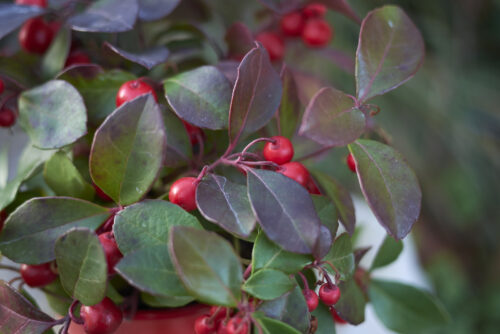
This evergreen dwarf shrub only reaches about eight inches in height and loves to spread out as a groundcover in balcony boxes. Its glossy, dark green leaves take on a gorgeous reddish tint in the fall. During the summer, it sports tiny white bell-shaped flowers that eventually turn into white, pink, or bright red berries. Since birds usually steer clear of the berries due to their essential oils, the colorful fruit stays on the plant all the way until spring. This hardy wintergreen looks especially stunning when paired with other winter-blooming plants.
++Winter Heath (Erica carnea)
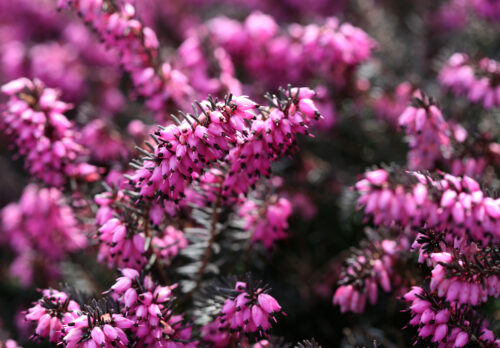
If you want serious frost resistance, Winter Heath is your best friend. It blooms from November through April, bringing much-needed color to a chilly balcony. Its narrow, needle-like foliage is classic for the heather family, and the tiny bell-shaped flowers come in shades of white, pink, purple, or red. This pretty alpine native loves sunny to partly shaded spots. Pro tip: Give it a little trim after it finishes blooming, and it’ll grow back even more beautifully for the next winter season.
++Evergreen Candytuft (Iberis sempervirens)
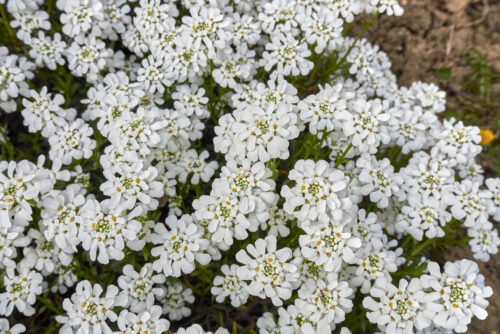
This tough little plant grows in thick, mat-like cushions and reaches about a foot high in a planter. Its leathery, lance-shaped leaves stay green all winter. Starting in late April, the Evergreen Candytuft explodes with countless buds that open into tiny white flowers. They grow so densely that they practically hide the leaves! Since this plant is a total sun-worshipper, make sure to give it a warm, bright spot on your balcony.
++Creeping Phlox (Phlox subulata)
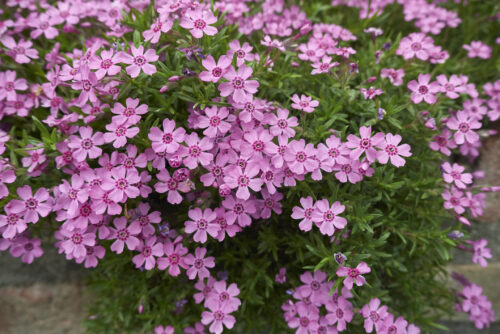
Because it stays low to the ground and keeps its needle-like foliage throughout the cold months, Creeping Phlox is a fantastic year-round choice for your balcony. From April to June, it produces a carpet of flowers in white, pink, light purple, lavender, or red. Some of the newer varieties are especially eye-catching, featuring a contrasting “eye” in the center of each bloom.
++Pansies (Viola x wittrockiana)
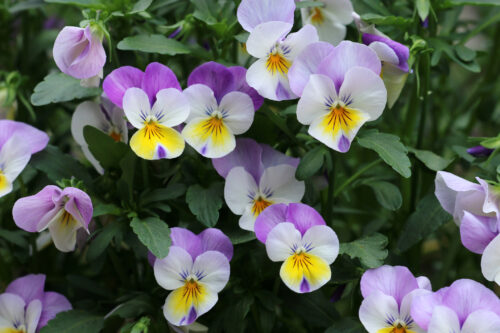
With their charming little “faces,” pansies are a classic favorite. They can handle a light frost and will often keep blooming well into December if they’re in a sheltered spot. Their heart-shaped green leaves also stay pretty throughout the winter. If you plant them in your boxes in the fall, they’ll have time to establish strong roots, grow nice and bushy, and produce a massive flush of buds come spring.
++Christmas Rose (Helleborus niger)
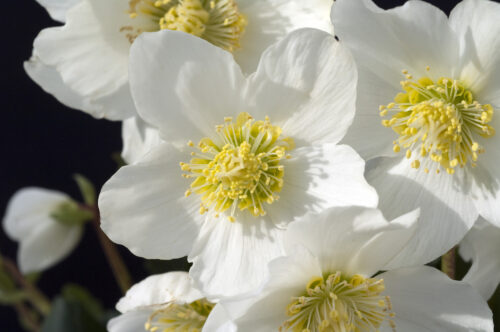
The Christmas Rose is a true winter miracle, blooming right when everything else is dormant—usually between December and March. Part of the buttercup family, it features deep green, fan-shaped leaves on long stems. The large, single flowers can reach up to four inches across. The pure white petals look striking against the bright yellow, spindle-shaped stamens in the center.
++Hardy Geraniums (Geranium)
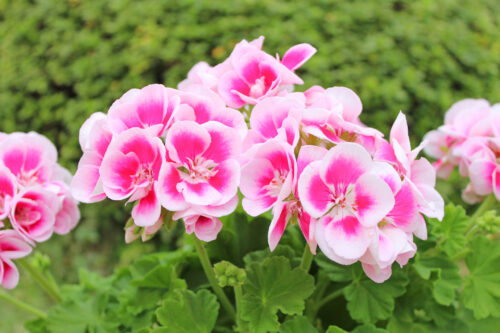
Don’t confuse these with the common annual Pelargoniums! These are true hardy geraniums (often called Cranesbill), and they are tough-as-nails perennials. For balcony boxes, the lower-growing, semi-evergreen varieties like Bigroot Geranium (Geranium macrorrhizum) work best. They provide a lush green base in winter and then burst into pink or purple flowers from spring all the way through fall.
%%Ornamental Cabbage (Brassica oleracea var. acephala)
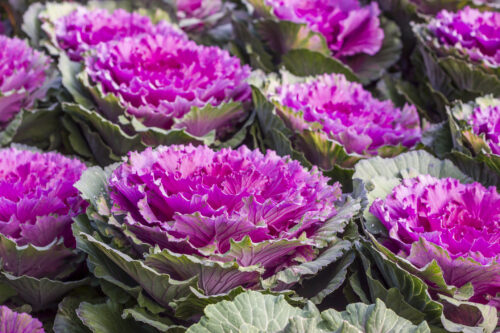
Here’s our secret tip: Ornamental cabbage! It’s becoming a huge trend for winter containers, and for good reason. The vibrant, two-tone leaves look like giant exotic flowers and provide a major pop of color against the winter gray. Like all cabbage varieties, they handle freezing temperatures like a champ. Plus, here’s a bonus: since they’re closely related to kale, they’re actually edible and packed with vitamins—though they’re almost too pretty to eat!