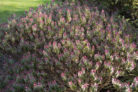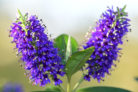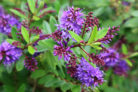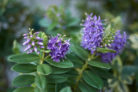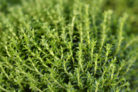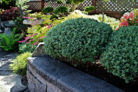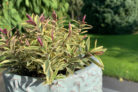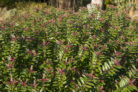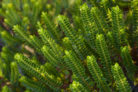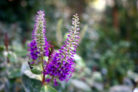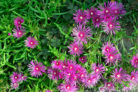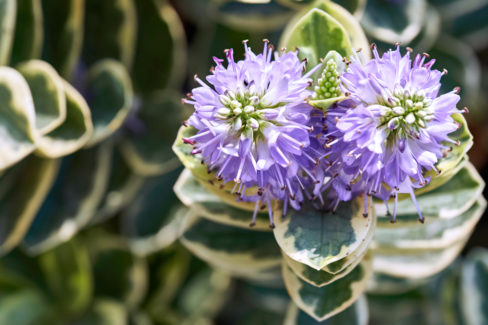
Meet the Shrubby Veronica, more commonly known as the Hebe. This evergreen beauty hails all the way from New Zealand, and with about 140 different species out there, it’s quickly becoming a favorite in American gardens. It’s easy to see why: those vibrant flower spikes look absolutely stunning against the lush, deep green foliage. Plus, it’s a tough, low-maintenance plant that’s perfect for hobby gardeners of all skill levels. You can even find some varieties that handle the cold surprisingly well!
Fun Facts About the Hebe
This pretty shrub belongs to the Speedwell family and was actually named after Hebe, the Greek goddess of youth. If you’re looking at a large-leaf variety, keep in mind that these usually bloom in the fall and aren’t fans of freezing temperatures. On the other hand, small-leaf Hebes are a bit more rugged; they can handle some frost with a little protection and will bloom from May all the way through autumn. You’ll find them in gorgeous shades of white, blue, red, and purple.
When it comes to placement, Hebes love a cool spot in partial shade, though they don’t mind a few hours of sun each day. If you’ve picked up a variety with variegated (multicolored) leaves, give it a brighter, sunnier spot to keep those colors popping. The best part? They’re super versatile—they look just as great in garden beds as they do in patio containers or indoor pots.
How to Help Your Hebe Survive the Winter
Generally speaking, Hebes aren’t fully hardy, though small-leaf varieties can tolerate a bit of a chill if you give them the right winter coat.
Overwintering Hebes in Containers
If you’re growing your Hebe in a pot on the porch or a windowsill, you’ll need to move it to a frost-free spot once the temperature drops. Aim for a cool room between 40°F and 50°F. The plant still needs plenty of light and low humidity during this time. Go easy on the watering, too—just give it enough so the root ball doesn’t completely dry out. Great spots for winter storage include:
- An unheated hallway
- A cool attic
- An unheated sunroom or conservatory
- A frost-free greenhouse
Once spring rolls around and the daytime temperatures start to climb, start acclimating your Hebe to the outdoors for a few hours at a time.
Overwintering Hebes in the Ground
If you have a small-leaf variety planted in your garden, it can stay outside if you prep it right. Start by tucking the roots in with a thick layer of mulch. Then, cover the plant itself with brushwood or evergreen branches. As the needles drop in the spring, more light will gradually reach the plant, helping it wake up and get used to the warmer weather.
Winter-Hardy Hebe Varieties
Even though most Hebes are a bit sensitive to the cold, here are a few varieties that can handle the winter outdoors with proper protection:
- Hebe addenda: Grows 8–12 inches tall; blooms in pink and rose from August to October.
- Hebe armstrongii: Reaches up to 3 feet; features subtle blooms from May to June.
- Hebe salicifolia: Can grow up to 4 feet tall; blooms in white and lilac from June to August.
- Hebe speciosa: Grows up to 4 feet; produces blue or purple flowers from July to September.