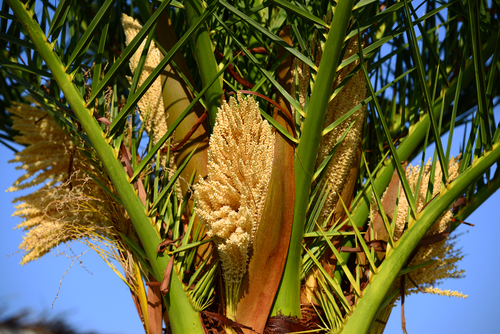
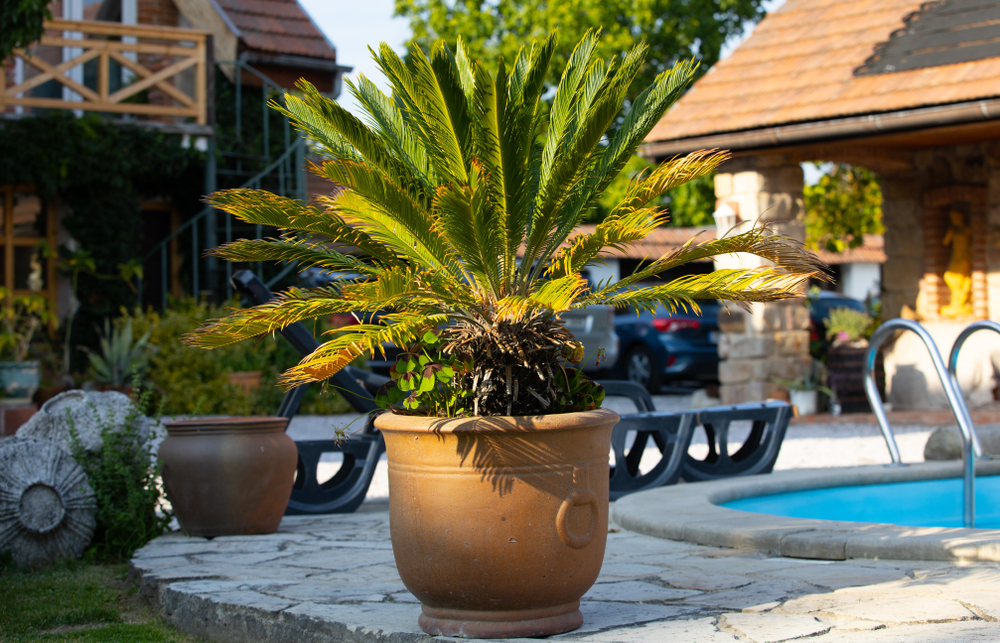
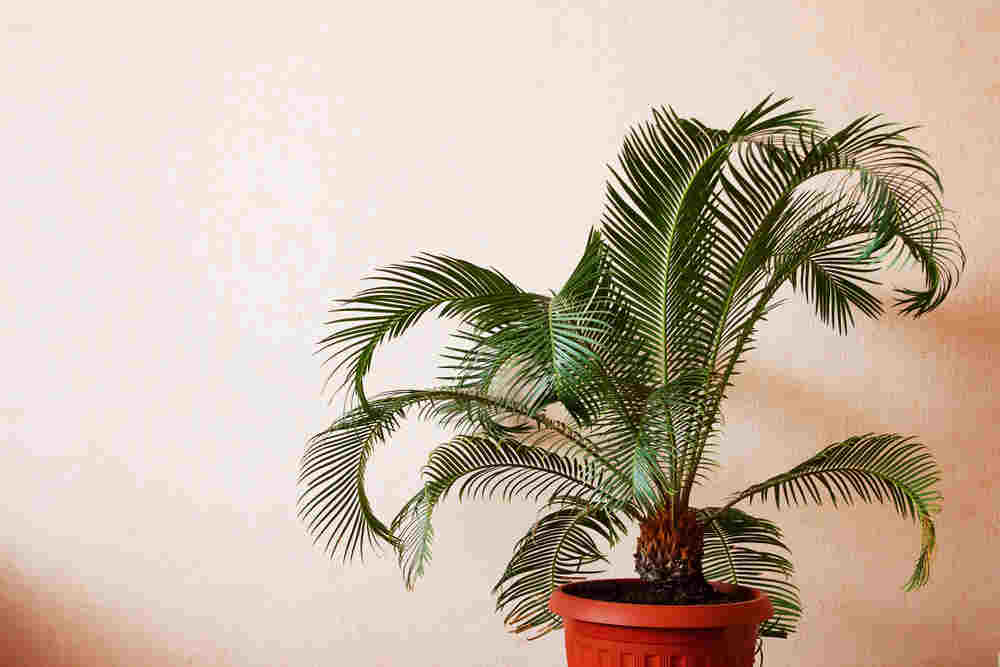
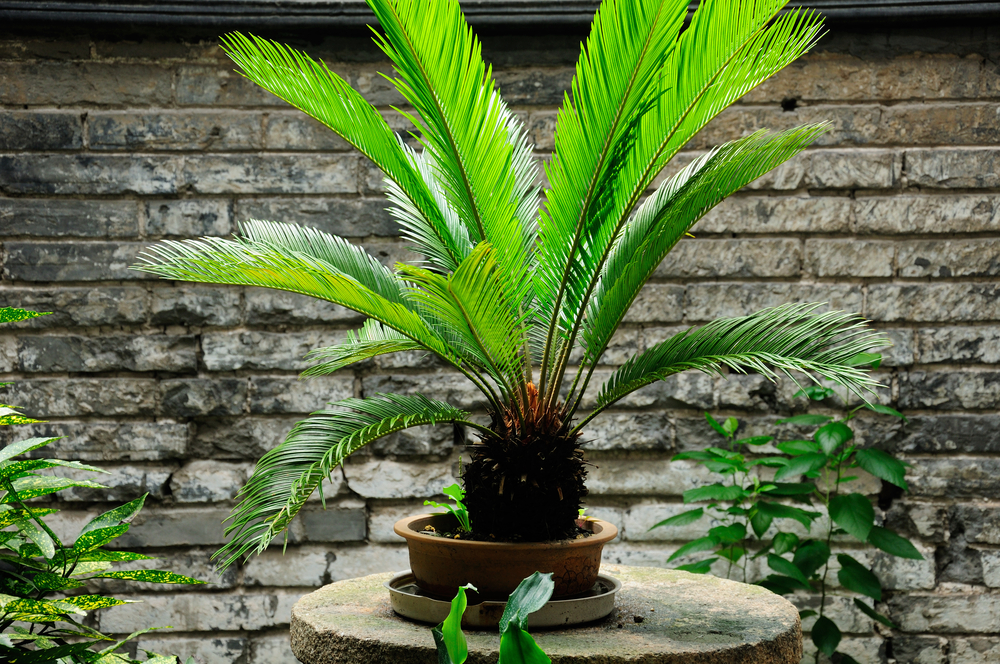
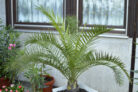
Pygmy Date Palms are a total favorite for adding those tropical vibes to a balcony or patio. They really thrive in partial shade, especially if you can tuck them away from heavy wind and rain. While they love soaking up the summer warmth outside, you’ll need a game plan for winter once the temperatures start to dip and those first light frosts hit.
Wintering Your Pygmy Date Palm Indoors
While these palms can handle a tiny bit of frost, they definitely aren’t built for a full-on winter outside. Your best bet is to bring them indoors. A bright sunroom that stays on the cooler side is perfect, but any bright room that stays at least 50°F (10°C) will do the trick. Some great spots include:
- A cool, frost-free greenhouse
- A bright hallway or entryway
- A basement with plenty of natural light
- A garage with windows
- A frost-free garden shed
The key is to keep them away from heaters. These palms actually prefer a break from the heat during their winter dormancy. Even if your room has windows, winter light can be pretty weak, so you might want to set up a grow light to keep your palm happy and healthy.
When it comes to watering, less is more during the winter. You want to keep the soil from drying out completely, but don’t overdo it. To keep the humidity up (which they love!), give the fronds a regular misting with distilled water or rainwater. You can also set out a pebble tray with water or run a humidifier nearby. And remember: no fertilizer until spring!
Keeping Your Palm Outside
If you simply don’t have room inside, you can try overwintering your palm outdoors with some serious prep work. Choose a sheltered spot protected from wind and downpours, but make sure it still gets light. Start by placing the pot on a thick piece of Styrofoam to insulate the roots from the cold ground. Wrap the pot itself in bubble wrap, burlap, or heavy-duty garden fleece. For the palm itself, loosely wrap the fronds with a thin, breathable garden fleece.
Once spring rolls around, don’t just rush your palm back into the sun! Whether it spent winter in the garage or huddled on the porch, it needs time to readjust. Direct sunlight can easily scorch those delicate fronds, so keep it in partial shade or use a sunshade until it gets its “outdoor legs” back.