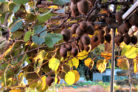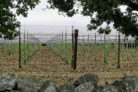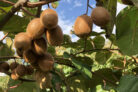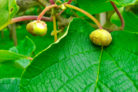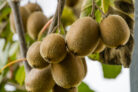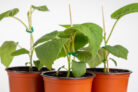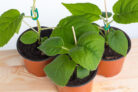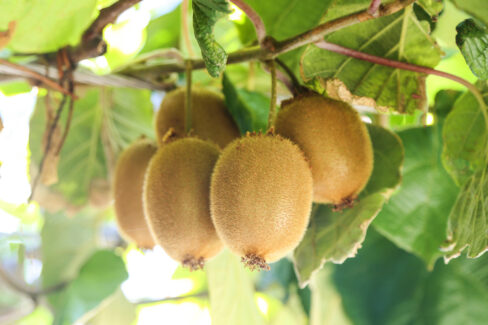
As a subtropical fruit, kiwis are total sun-seekers. Originally from the warmer regions of China, these climbing vines crave mild winters and aren’t exactly fans of a deep freeze. However, don’t let that discourage you! There are actually some surprisingly hardy varieties out there that can handle a bit of a chill.
Winter-Hardy Kiwi Varieties
Generally speaking, the low-maintenance kiwi plant is pretty tough and can handle temperatures down to about 14°F (-10°C) without breaking a sweat. This means that both female and male plants are considered “frost-tolerant” and usually don’t need extra help when the thermometer hits the freezing mark.
But “frost-tolerant” isn’t the same as “winter-hardy.” Most common kiwi varieties will struggle if things drop down to -4°F (-20°C) or lower. Even the popular “Hayward” variety—the one you usually see at the grocery store—has a hard time surviving in truly frigid climates.
Pro Tip: If you live in a colder zone, look for the “Hardy Kiwi” (Actinidia arguta) or the “Ken’s Red” mini kiwi. These rockstars can survive temperatures as low as -22°F (-30°C) and still give you a great harvest!
Exception #1: Young Kiwi Plants
If you have an established kiwi shrub that’s been in the ground for a few years and is tucked away in a sheltered, wind-free spot, you usually don’t need to worry about winter protection. Just make sure they were planted in a place that isn’t a “frost pocket” where cold air settles.
It’s a different story for the “new kids on the block.” If your kiwi is in its first or second year—especially if you just planted it this past fall—it’s going to need some extra TLC. Since kiwis are shallow-rooted, you’ll want to protect those sensitive roots with a thick layer of mulch, fallen leaves, or evergreen branches.
Pro Tip: Try to plant your young kiwis in early summer. This gives them plenty of time to get settled and strong before the winter chill sets in.
Exception #2: Potted Kiwis
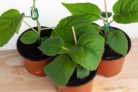
If you’re growing kiwis in containers, keep in mind that these vines are vigorous growers and can easily reach 30 feet high! For patio growing, it’s best to choose “compact” or “self-fertile” varieties that are rated for your specific climate zone.
During their first winter, young potted kiwis should be moved to a frost-free, dark spot—like a dim garage or a cold cellar. For older, established plants, you can leave them outside, but make sure to wrap the pots in burlap or garden fleece and pack the top of the soil with dry leaves to keep the root ball cozy.