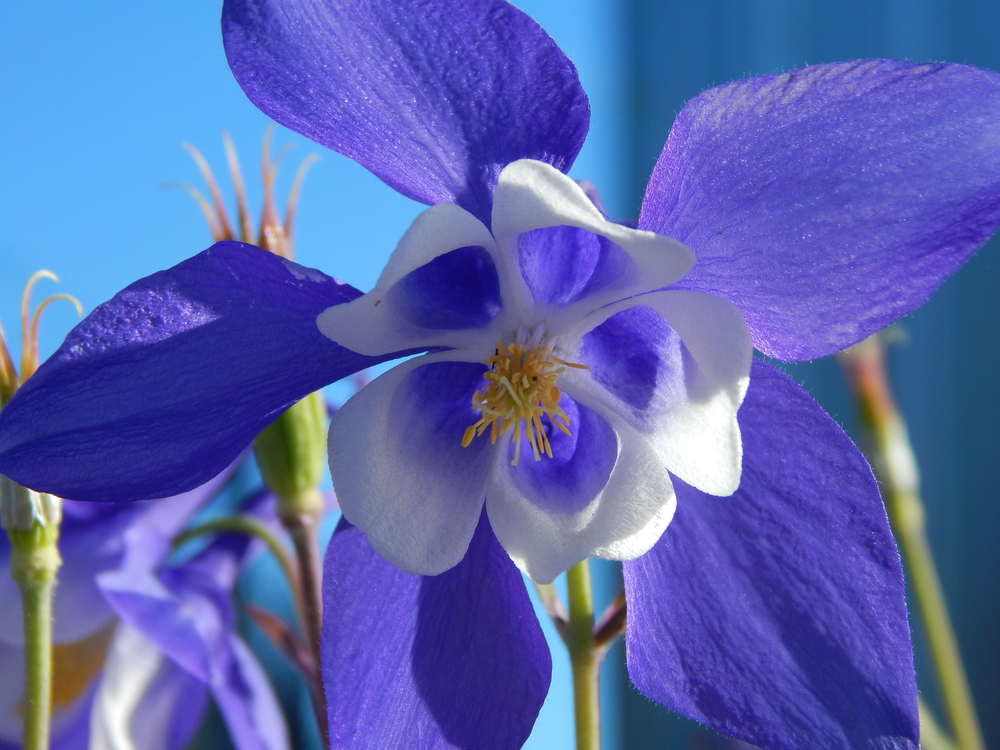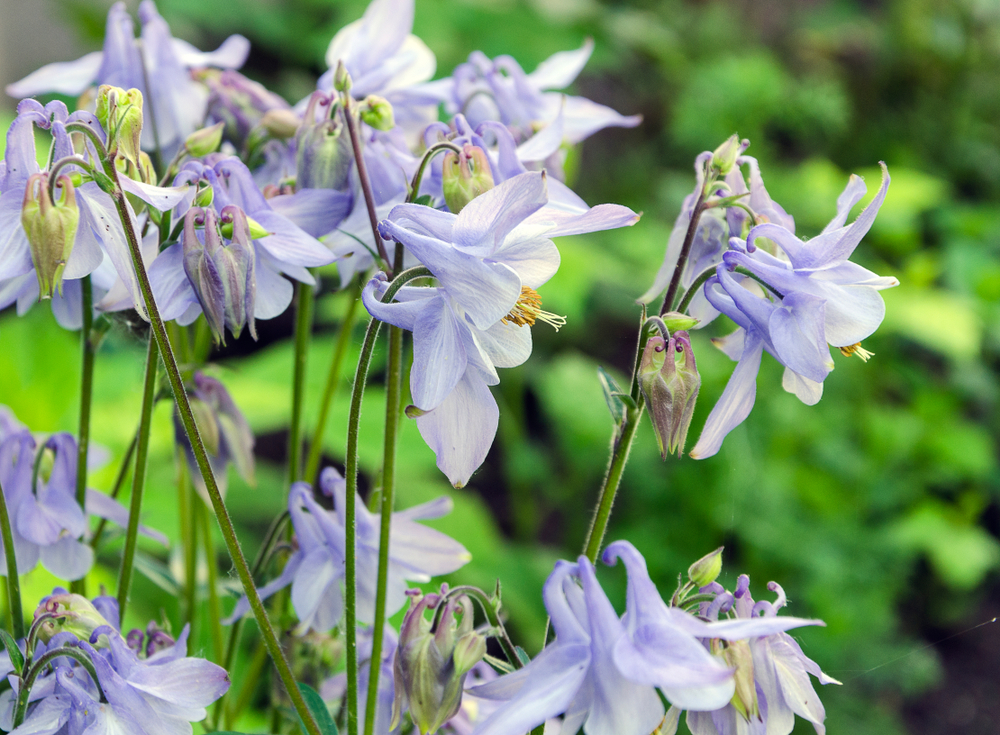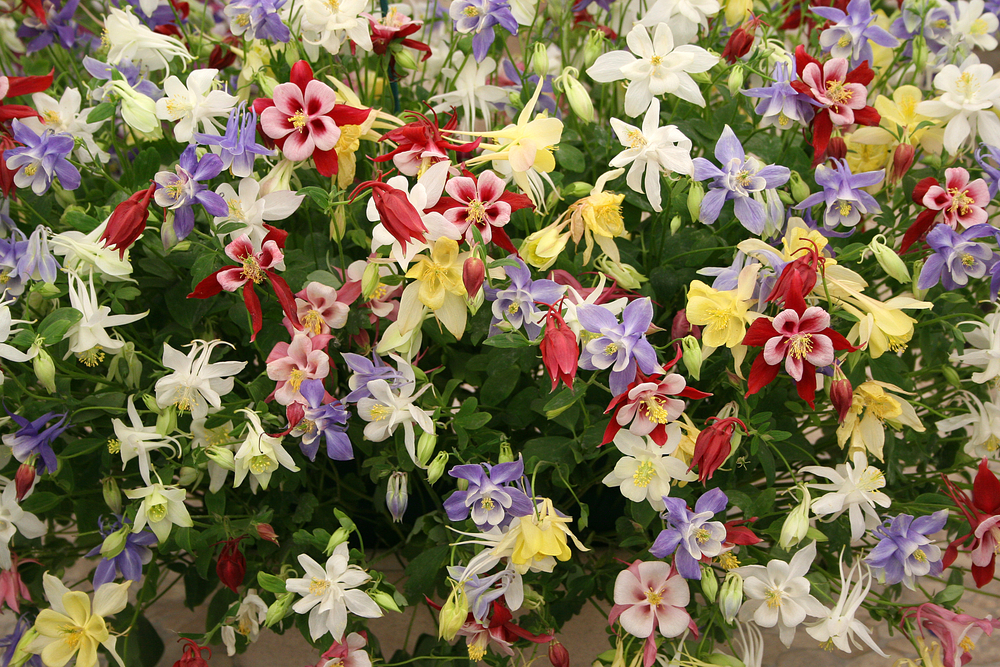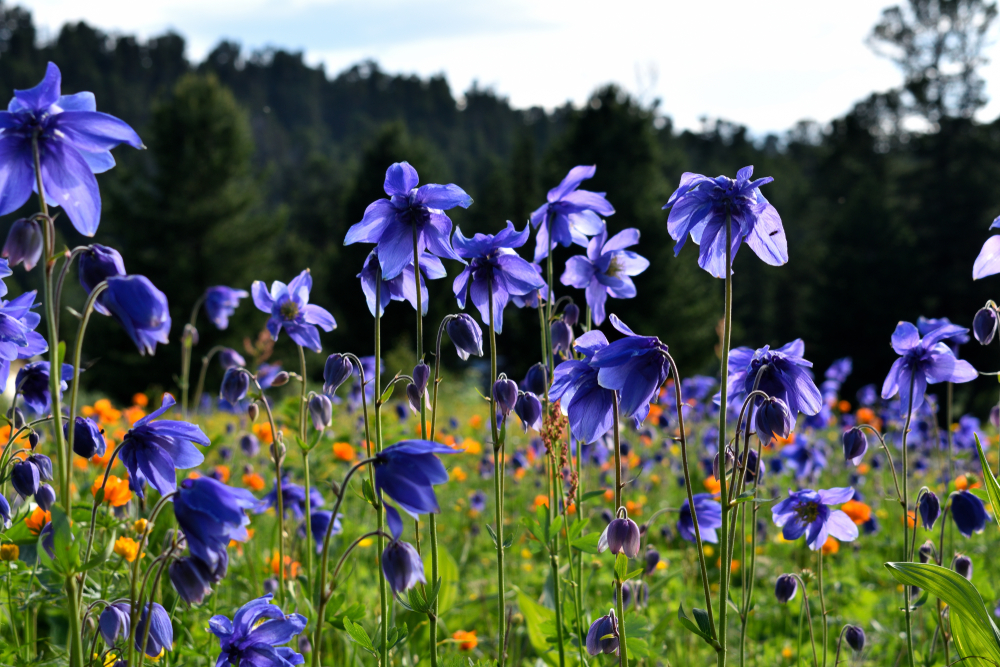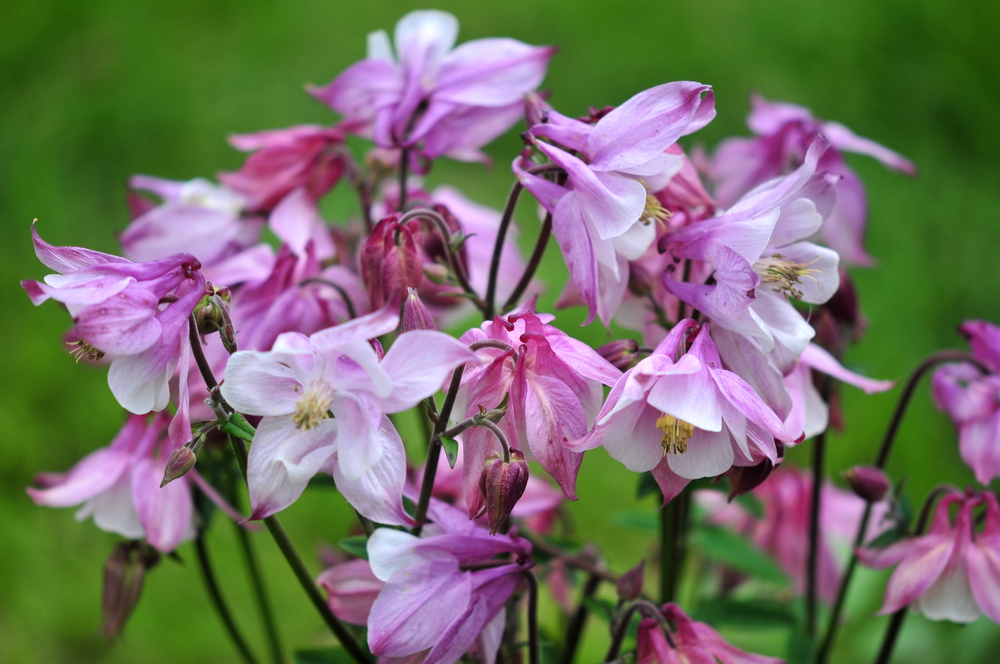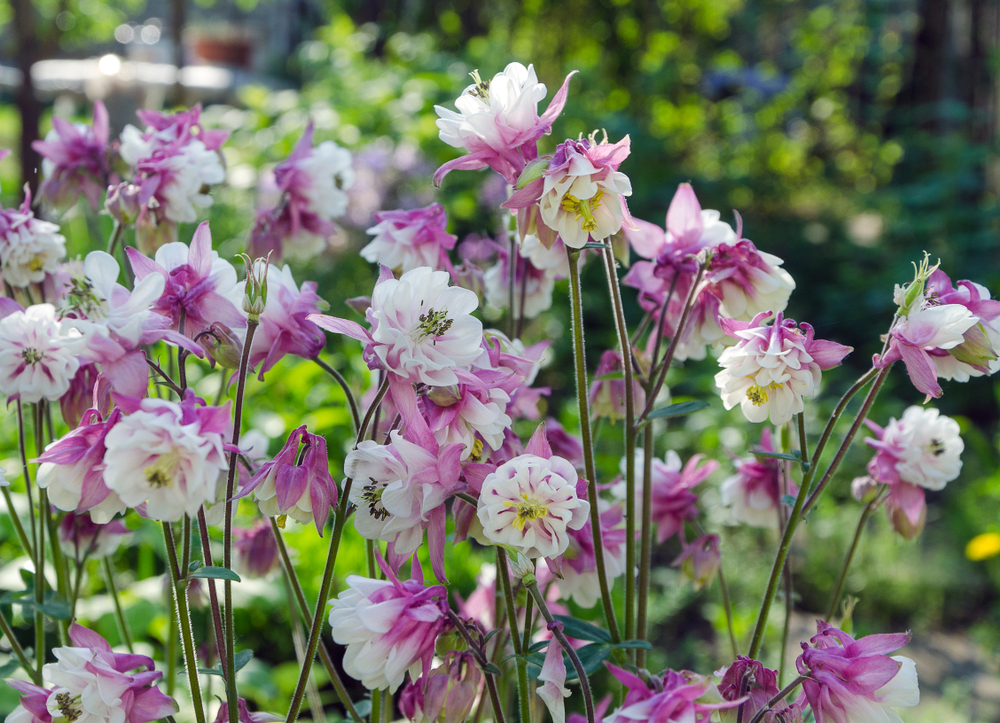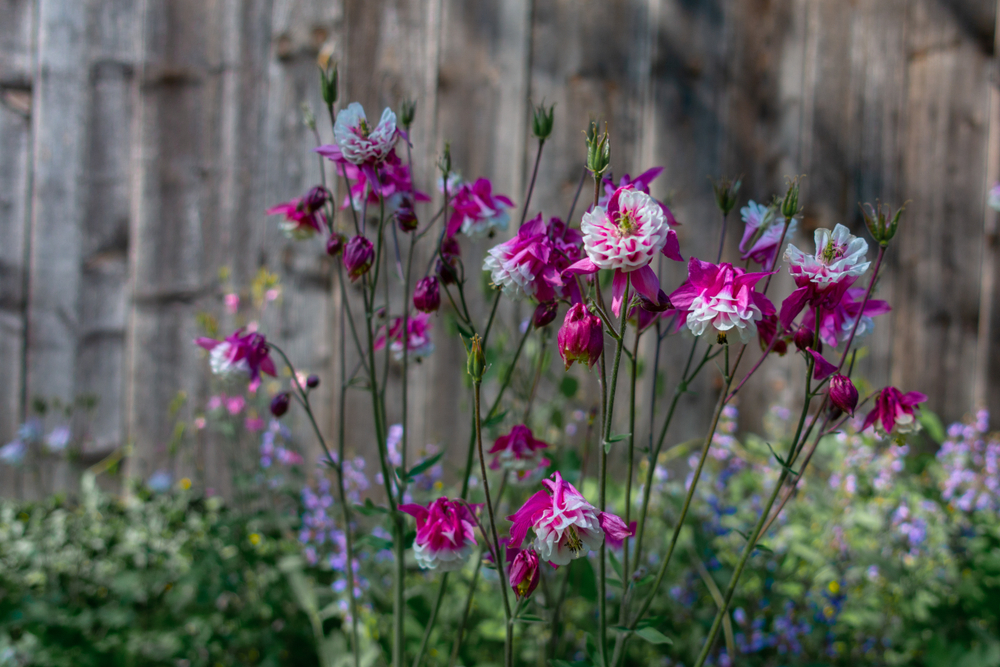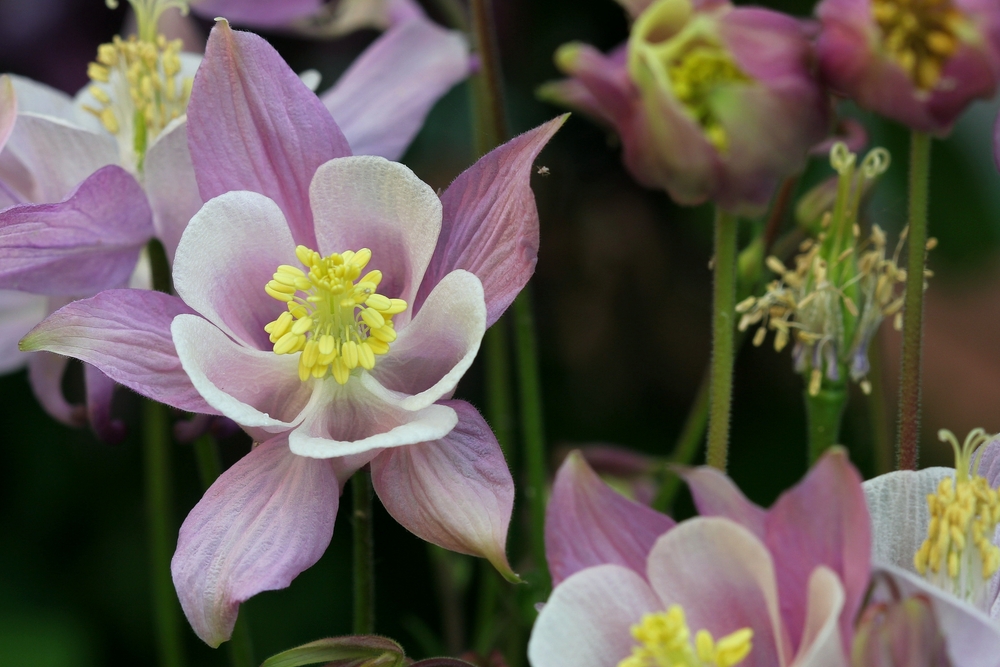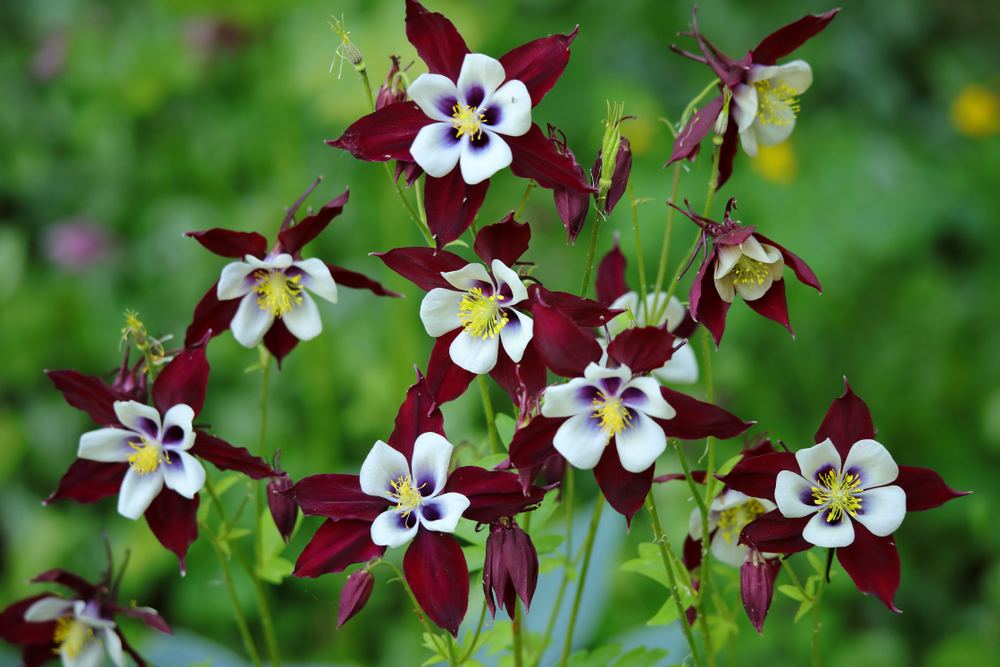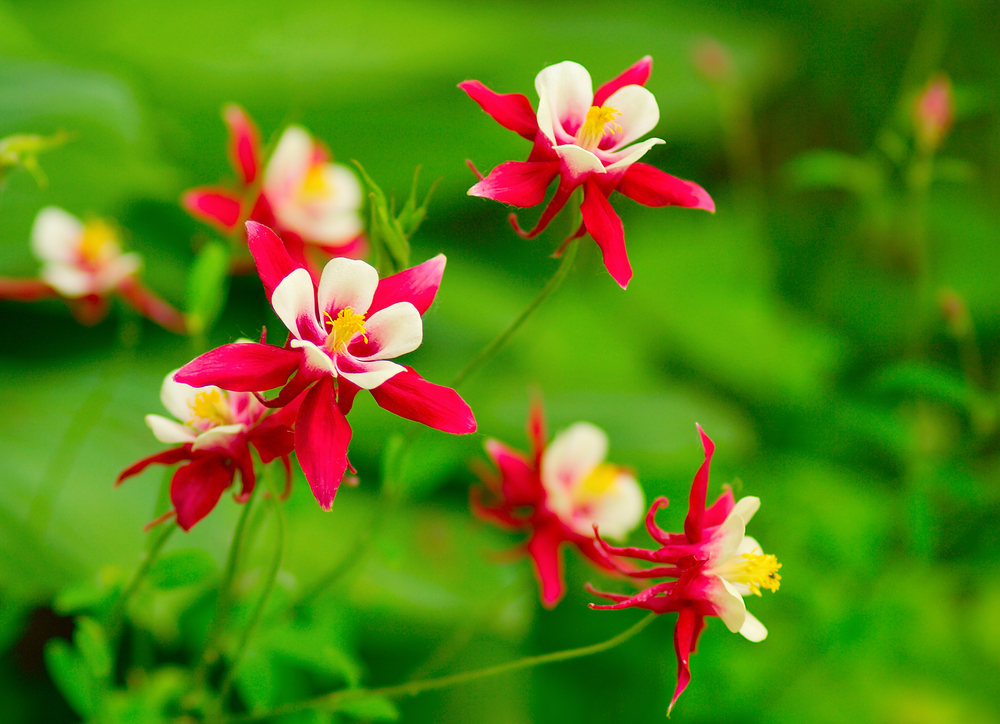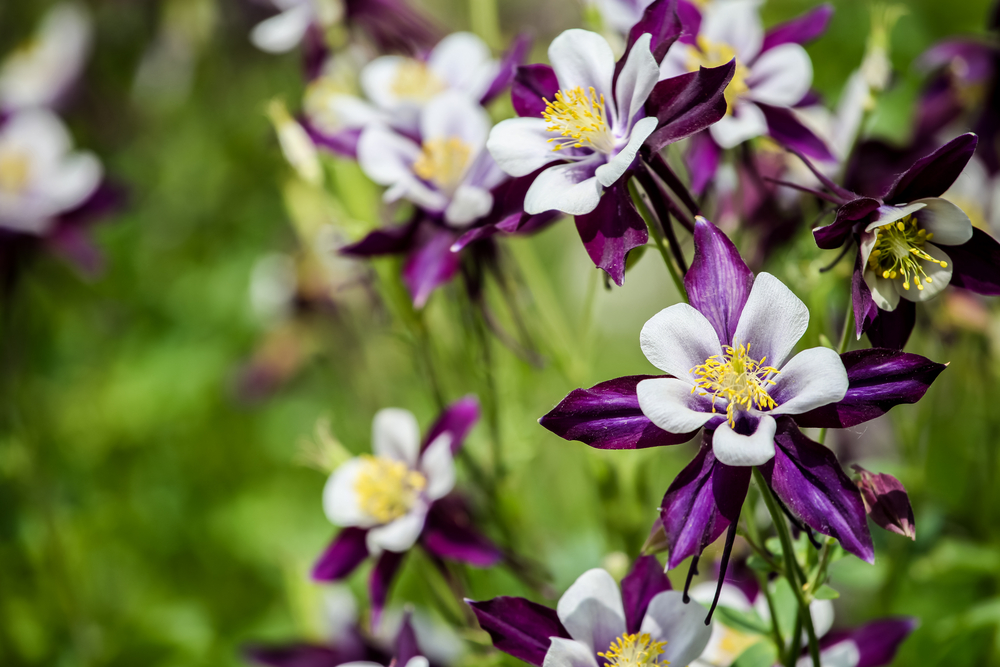
Looking for a low-maintenance beauty for your garden? Let’s talk about the Columbine! This hardy perennial belongs to the buttercup family and is incredibly versatile, with about 70 different species to choose from. Their delicate blooms come in a rainbow of colors and can be found in both single and double-flowered varieties. Because of their unique shape, they’ve picked up some whimsical nicknames over the years, like “Granny’s Bonnet” or “Elf Shoes.” Most Columbine varieties are perfectly winter-hardy and will feel right at home in your backyard.
Growing Columbine Outdoors
These hardy perennials are tough cookies when it comes to the cold. If they’re planted in a somewhat sheltered spot, even a harsh frost won’t bother them. In fact, in colder northern climates, some varieties can survive temperatures as low as -40°F! If your Columbine is in the right spot, it usually doesn’t need any extra winter protection. The only exception is if you’ve just planted them in late fall; in that case, a light layer of brushwood or mulch is a good idea to protect them until their roots are fully established.
The Perfect Spot for Your Columbine
Columbines are happiest in sunny to partially shaded areas. Depending on the specific variety, some can handle full sun all day long. The most important thing is the soil: it should be nutrient-rich and well-draining. They like to stay moist, but they definitely don’t want “wet feet” (standing water), which can lead to root rot.
Growing Columbine in Pots and Containers
These easy-going plants also do great in containers! However, they do need a little extra TLC during the winter months. Unlike the ground, pots can freeze all the way through, which can kill off the root ball and prevent the plant from coming back in the spring. To keep your potted Columbine safe, try these tips:
- Cut the plant back to just above the soil line before winter hits.
- Wrap the container in bubble wrap or burlap for insulation.
- Elevate the pot on a wooden block or a piece of styrofoam to keep it off the freezing ground.
- Move the container close to the wall of your house for extra warmth.
- Skip the fertilizer during the winter.
- Make sure the soil stays slightly moist (but not soaked).
Lifespan of the Columbine
Since they are winter-hardy, these perennials will pop back up to greet you for several years. However, even with the best care and the perfect location, Columbines aren’t forever—they usually have a lifespan of about four years. But here’s a pro tip: if you don’t deadhead the flowers immediately and let the seeds ripen, the plant will happily reseed itself! The wind will carry those seeds all over the garden (sometimes even to places you didn’t plan for). Once those seeds sprout into young plants, you can carefully dig them up and move them exactly where you want them to grow.