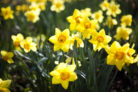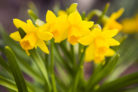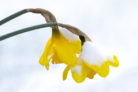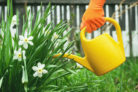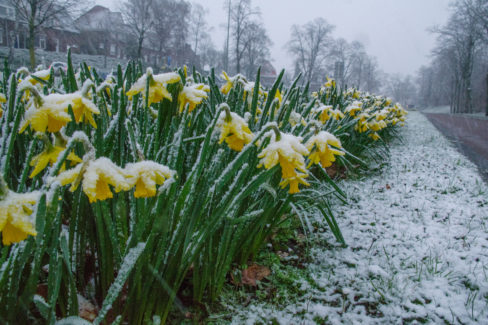
When those first warm rays of sunshine finally wake up the garden from its long winter nap, daffodils are usually the first ones to the party. Just like last year, these cheerful yellow blooms—often called Lent lilies or Easter bells—are a sure sign that spring has arrived. Most of the time, daffodils are tough as nails and totally winter-hardy. But, there are a few exceptions you should know about to keep your garden glowing year after year. Here’s the lowdown on keeping your daffodils happy through the cold.
Are All Daffodils Winter-Hardy?
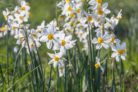
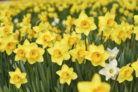
For the most part, yes! Most common varieties, like the classic yellow Trumpet daffodils or the elegant white Poet’s daffodils, handle freezing temperatures like pros. However, there are a couple of “divas” in the family: Jonquils and Angel’s Tears (Triandrus daffodils) can be a bit sensitive to heavy frost. Unless you live in a region with very mild winters (like a coastal area or a wine-growing region), these varieties might need a little extra TLC to survive outside.
The Bulb: Nature’s Own Antifreeze
Once your daffodils finish blooming, they start producing seeds and eventually head into dormancy. During this time, the plant pulls all the nutrients from its leaves back down into the bulb. This bulb acts as a little underground bunker against the frost.
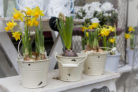
If you have daffodils in pots, they’re a bit more vulnerable than the ones in the ground. To give them a hand, try adding a nice layer of mulch over the soil to keep things cozy.
Pro Tip: To make sure your bulbs are truly frost-resistant, depth is key. When planting, make sure your hole is at least 4 to 6 inches deep. That extra soil acts as a natural insulator.
The Exception: Container Gardening
If you’re growing daffodils in planters or pots, I actually recommend digging them up in June after they’ve finished blooming and storing them indoors (check out my tips below). Why? Because the soil in a pot can freeze solid all the way through, which can damage the bulb. Unlike bulbs in the garden bed, potted bulbs can’t soak up any warmth from the deep ground.
Tips for Overwintering Your Bulbs
If you’re moving your daffodils indoors, you’ll want to have them tucked away by October at the latest. Ideally, dig them up in June as soon as the foliage has turned yellow and withered—this keeps the bulb from drying out too much. Here’s my step-by-step guide:
- Dig up the bulbs carefully.
- Clean off any excess dirt.
- Separate any “baby” bulbs (offsets) from the main bulb.
- Store them in a crate or basket in a cool, dark spot.
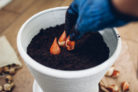
- In the fall, replant them in a pot with fresh soil and keep them in a cool place.
- Hold off on the watering for now!
Pro Tip: You can either move your potted bulbs into your garden beds in September, or wait until February to start slowly acclimating them to the outdoor air again.