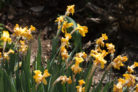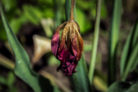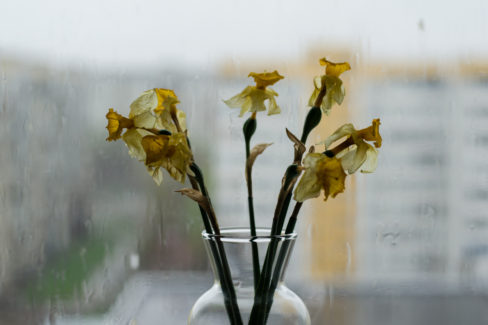
The flower is drooping and dried out on the stem, and the leaves are slowly turning yellow. Compared to how she looked just a few weeks ago, your daffodil is looking a little sad and, frankly, a bit messy. Does this mean it’s time to give up on her? Not at all! Most daffodil varieties are perennials, meaning they’ll be back in all their glory next year. However, there are a few things you need to do after the blooms fade to make sure the plant recovers properly.
Post-Bloom Care
While daffodils are pretty low-maintenance while they’re blooming, they can be surprisingly sensitive to the wrong kind of care once the flowers fade. To keep your bulbs happy, here’s the game plan.
Pruning
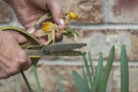
Once your daffodil has finished blooming, it’s eventually going to need a haircut. You can be pretty radical here and cut the plant back to just above the soil line—after all, the top growth will eventually be completely dried out anyway. But hold your horses! Timing is everything. Right after the flowers fade, the daffodil is still busy storing vital nutrients in its leaves. Just because the flower is dead doesn’t mean the plant is ready for its winter nap. Wait until the foliage has turned completely yellow before you reach for the shears.
Fertilizing
Whether your daffodils are in pots or out in the garden, they’ll appreciate a little snack after they’re done blooming. A bit of extra nutrition helps the bulb prep for winter. A liquid all-purpose fertilizer works great for this.
Pro Tip: Make sure you finish fertilizing well before the start of fall. You don’t want to accidentally trigger a new growth spurt right before the frost hits!
Using the Dormant Phase for Propagation
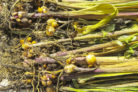
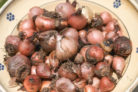
Depending on the variety, daffodil season usually wraps up by May at the latest. This is when the plant pulls all its energy back into the bulb, where it stays safe from the frost. If you’ve planted your daffodils deep enough in the ground, you can leave the bulbs right where they are over the winter. However, if you have daffodils in pots, it’s a good idea to dig them up and store them in a protected spot between 50°F and 60°F (10°C–15°C).
Pro Tip: Keeping your bulbs in a cool spot at these temperatures can actually help extend the blooming period next year.
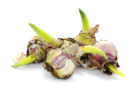
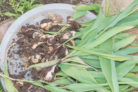
If you do decide to dig up your bulbs, it’s the perfect time to propagate them using “bulblets.” You’ll notice small baby bulbs attached to the main mother bulb. These can be easily separated and planted elsewhere. Here’s how to do it:
- Cut the daffodil back to just above the ground.
- Gently pull the baby bulblets away from the main bulb.
- Plant them in pots or directly in the garden come September.
- Aim for a planting depth of about 4 to 6 inches.
- Give them a good watering and add a little mulch on top.
Pro Tip: Even for daffodils in the garden, it’s a good idea to move them every three to four years. They are “heavy feeders” and can eventually exhaust the nutrients in the soil if left in the same spot for too long.