Believe it or not, you don’t need to live in the tropics to enjoy a lush, palm-filled backyard! If you live in a region with relatively mild winters, there are several cold-hardy palms that can handle a bit of frost. We’ve rounded up the seven most popular winter-hardy palms for your garden, plus a little “secret” bonus plant at the end.
[[pflanzen]]
++Pindo Palm (Butia capitata)
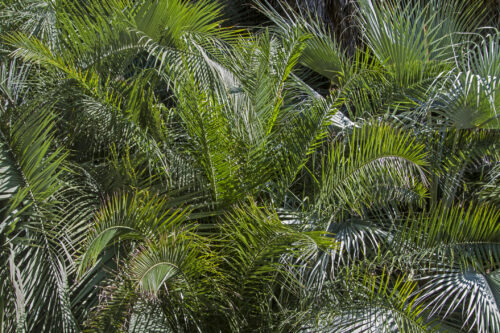
Often called the “Jelly Palm,” this South American native gets its name from its plum-sized, tart-yet-sweet fruits that are often used to make—you guessed it—jelly. It features elegant, arching blue-green fronds that are slightly spiny at the base. In the summer, it puts on a show with large clusters of yellow or reddish flowers. Give this beauty a sunny, sheltered spot, and it’ll comfortably handle temperatures down to about 14°F (-10°C).
++Dwarf Palmetto (Sabal minor)
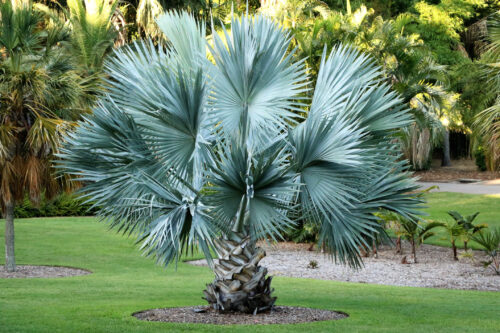
This palm has a really unique look because its trunk actually grows underground. This makes the large, fan-shaped fronds look like they’re exploding right out of the soil! It produces creamy white flowers that smell absolutely amazing. The Dwarf Palmetto is a tough cookie, surviving short bursts of cold down to -4°F (-20°C). However, if you’re expecting a long deep freeze, it’s a good idea to protect younger plants with some burlap or garden mats.
++Blue Mediterranean Fan Palm (Chamaerops humilis var. Cerifera)
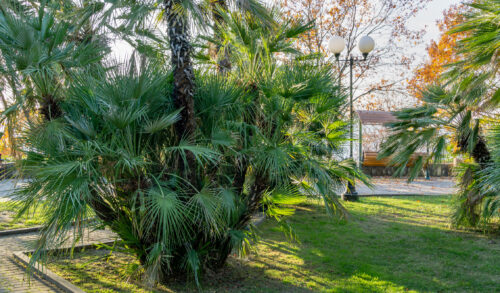
This variety stands out thanks to its stunning silvery-blue fan fronds. It’s actually more cold-tolerant and handles rain and snow better than the standard green version, making it a great choice for temperate climates. It’s a slow grower that eventually develops a lovely, fiber-covered trunk. Just watch out for the stems—they have small spines along the edges!
++Windmill Palm (Trachycarpus wagnerianus)
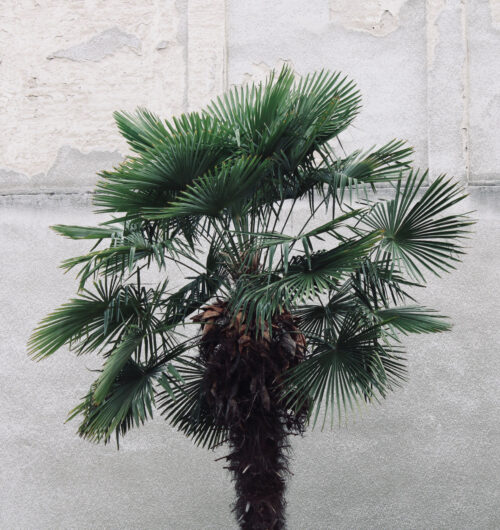
The “Waggie” is legendary among cold-climate gardeners. It’s incredibly hardy, surviving short dips down to 1°F (-17°C). Its stiff, compact fronds are more wind-resistant than other palms, so they won’t look “tattered” after a storm. In summer, it produces yellow and green flowers that can turn into sweet blue fruits if the plant gets enough sun. Just remember: like all palms, the “heart” (the center growth point) is the part that needs the most protection during extreme freezes.
++Needle Palm (Rhapidophyllum hystrix)
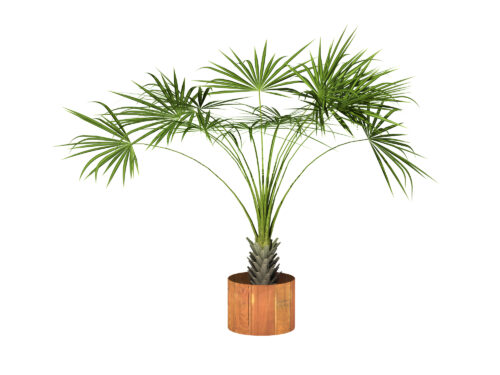
Widely considered the most cold-hardy palm in the world, the Needle Palm is a prehistoric survivor. It can withstand temperatures as low as -4°F (-20°C) without breaking a sweat. It grows as a shrubby clump with a short trunk covered in long, needle-like spines (hence the name). While its flowers aren’t much to look at, it produces cherry-sized fruits that—interestingly enough—have a faint scent of cheese!
++Canary Island Date Palm (Phoenix canariensis)
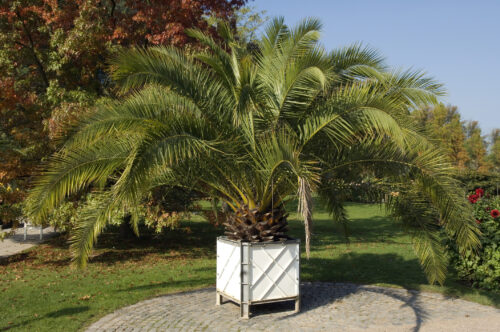
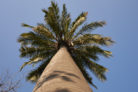
This is the classic, majestic palm you often see in postcards. It takes a few years to develop its thick, diamond-patterned trunk. While the dates it produces aren’t the edible kind you find at the store, the tree itself is a showstopper. Its hardiness depends on its age; while young plants need a bit of babying, mature trees can handle temperatures dropping into the low teens (around -10°C).
++Chinese Windmill Palm (Trachycarpus fortunei)
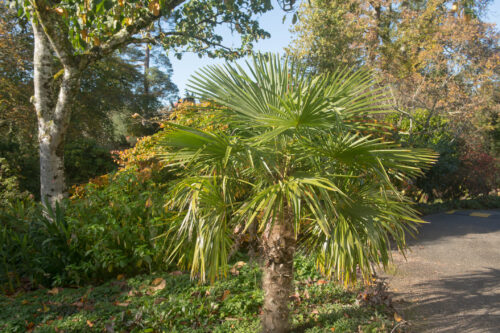
The Chinese Windmill Palm is a superstar of the hardy palm world. It can handle temperatures down to 1°F (-17°C) for several days at a time. It features a slender trunk covered in dark, burlap-like fiber and large, fan-shaped leaves. It’s a very reliable grower and even produces bright yellow, star-shaped flowers that eventually turn into bean-like fruits.
%%The “Secret” Tip: Yucca (Yucca)
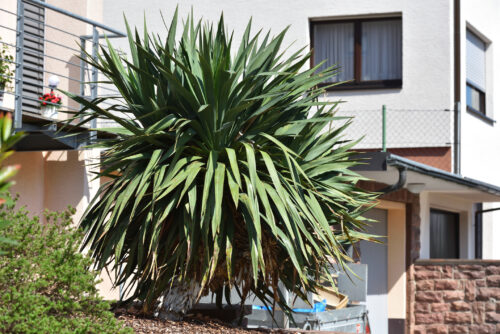
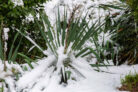
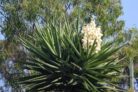
Okay, so technically the Yucca isn’t a true palm—it’s actually a member of the asparagus family! But because of its striking “palm-like” silhouette, it’s often used to achieve that tropical look in colder zones. There are about 50 species of Yucca, and many are incredibly tough. Depending on the variety, some can survive bone-chilling temperatures between -0°F and -13°F (-18 to -25°C), making them perfect for outdoor wintering.