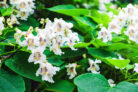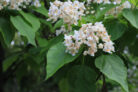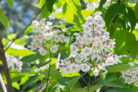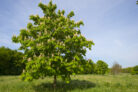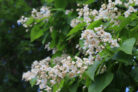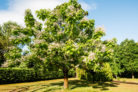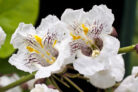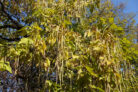
The Southern Catalpa (often called the Trumpet Tree) originally hails from the warm, sunny stretches of the American South. Over the last few decades, it’s become a real favorite in gardens all over. However, if you want yours to thrive, you need to keep a few things in mind regarding its winter hardiness.
Not Fully Winter-Hardy Out of the Box
By nature, the Catalpa isn’t 100% winter-hardy right away. While it can handle cold snaps and frosty temperatures for short periods without major drama, there are times when you’ll definitely need to step in with some frost protection. A lot of it comes down to how old your tree is:
- Young trees have basically zero natural protection against the cold.
- Older, established trees develop a much better tolerance for winter over time.
Young Catalpas Need Extra Love
For about the first five years of its life, a Catalpa isn’t winter-hardy at all. To make sure it isn’t left defenseless against the freezing cold, you’ll need to take some precautions. If you’re growing yours in a pot, try to move it to a protected winter shelter. For trees already planted in the ground, wrapping them in winter fleece or burlap is the way to go.
You also want to be extra careful with young cuttings. It’s best to overwinter these indoors in a cool, dark spot. Just a heads-up: a warm living room is actually too toasty for them!
Winter Hardiness in Mature Trees
Once your tree hits the five-year mark, it has usually developed enough “thick skin” to handle the cold on its own. Generally, you won’t need extra frost protection for the trunk or roots anymore. However, since the Catalpa starts forming its flower buds in the fall, you might want to cover the crown with some garden film or a tarp during extreme freezes. If those fresh buds freeze off, you’ll miss out on that gorgeous summer bloom next year.
The Right Way to Overwinter Potted Trees
If you’re growing your Catalpa in a container, you really should move it to a proper winter home. The goal is a spot that stays cool but consistently stays above freezing (32°F). A cool, dark location isn’t just about avoiding frost damage; it also helps the tree go into its necessary winter dormancy. This slows down growth and allows the tree to save up all that energy for a big, beautiful comeback in the spring.