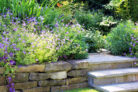
Rock gardens are a total game-changer if you’re looking for a high-impact, low-maintenance landscape. They require way less fuss than traditional flower beds, which is probably why they’re so popular right now. To help you get started, I’ve rounded up seven of the best hardy plants for a sunny rock garden, plus one “pro tip” plant that I absolutely love.
[[pflanzen]]
++Hens and Chicks (Sempervivum cultivars)
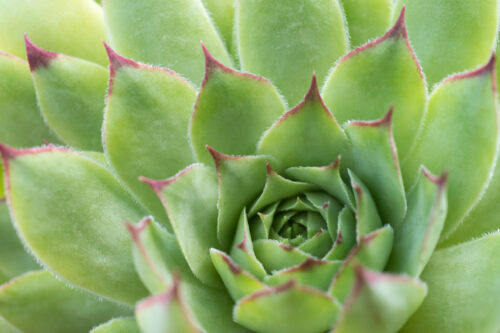
These succulents are a rock garden classic, and with over 2,000 varieties out there, the hardest part is picking just one! Their fleshy leaves—which store water for those hot, dry spells—come in everything from deep reds and bright greens to cool blue-grays. Some even have a cool silvery “cobweb” texture. Look for pretty white or red flowers in July or August. Fun fact: the main rosette (the “hen”) dies after flowering, but she’s immediately replaced by her “chicks” (the little offsets).
++Rock Cress (Aubrieta Hybrids)
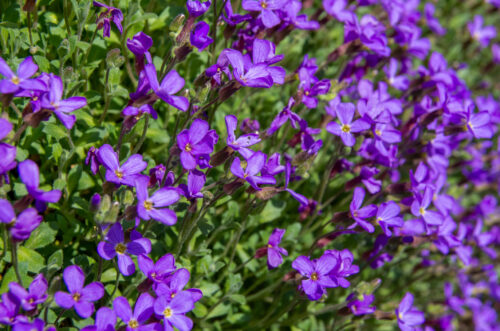
If you want a carpet of color, Rock Cress is your best friend. In a sunny spot, this evergreen perennial forms lush cushions that get completely covered in blooms from March to May. You’ll find them in vibrant blues, whites, pinks, or purples. It’s totally frost-hardy and only grows about 4 to 6 inches tall, but it loves to spread out. It’s perfect for draping over stone walls or filling in gaps between rocks, and the bees will thank you for the early spring snack!
++Stonecrop (Sedum)
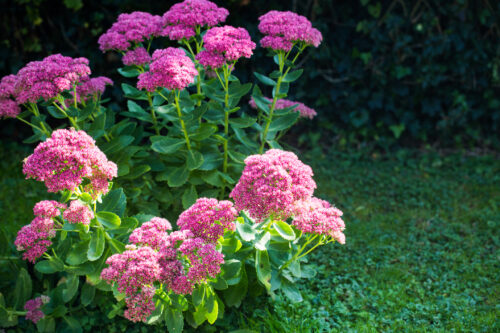
Sedum is pretty much the MVP of the rock garden. From the tall, umbrella-like clusters of Autumn Joy to the low-growing, creeping varieties, there’s a Sedum for every nook and cranny. They come in wild shapes and colors—think bright yellows, reds, and whites. The best part? They thrive in poor, dry soil and full sun. These succulents are incredibly easy to care for and can handle a deep freeze without breaking a sweat.
++Spurge (Euphorbia)
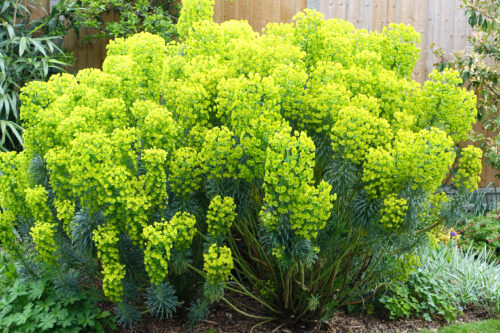
With about 2,000 species in the family, Euphorbias offer some of the most unique looks for your garden. You can find tiny, ground-hugging types or architectural varieties that reach up to 5 feet tall. While the flowers themselves are small, they’re surrounded by super showy bracts that last a long time. Just a heads-up: the milky sap inside is toxic and can really irritate your skin, so be sure to wear gloves when pruning.
++Pinks (Dianthus)
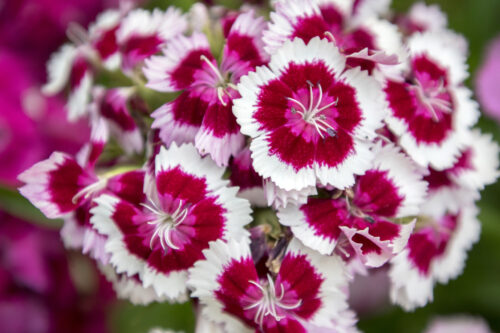
Dianthus (often called “Pinks”) are sun-worshippers through and through. Their narrow, bluish-green leaves have a waxy coating that prevents water loss, meaning you won’t have to reach for the hose very often. From May through late summer, they’ll brighten up your garden with white, pink, red, or purple flowers. Many varieties have a spicy, clove-like scent that you’ll smell before you even see them!
++Lavender (Lavandula angustifolia)
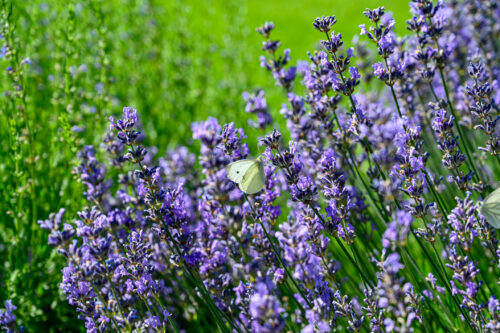
Nothing beats the Mediterranean vibe of English Lavender. It’s surprisingly hardy and can handle cold winters if given a little protection. Because of its needle-like leaves, it’s very drought-tolerant once established. While we all love the classic deep purple spikes that pop up in July, keep an eye out for modern white or pink varieties to add a little extra “pop” to your rock arrangement.
++Thyme (Thymus)
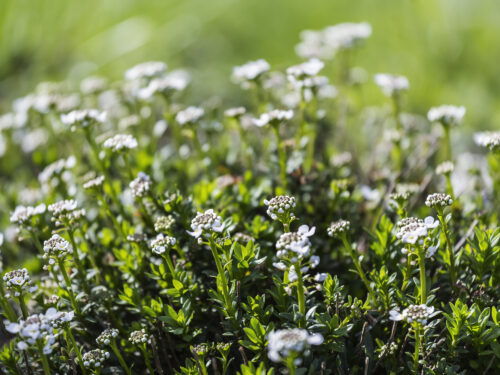
Thyme isn’t just for the kitchen! It makes a fantastic ornamental plant, especially the creeping varieties. Depending on the type, it grows anywhere from 4 to 15 inches tall. From May through fall, it produces tiny purple or pink flowers that are so dense you can barely see the leaves. It smells amazing when you walk past it, and it’s a total magnet for bees and butterflies.
%%Balloon Flower (Platycodon grandiflorus)
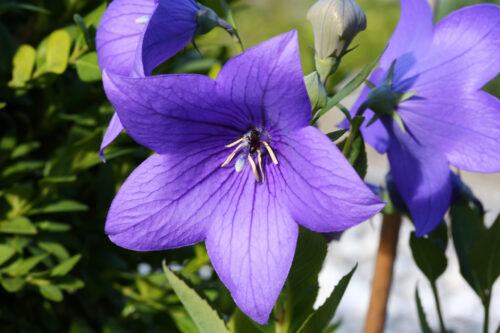
Here’s my secret tip: the Balloon Flower. It gets its name from the buds, which swell up like little balloons before bursting into star-shaped flowers in white, pink, or violet-blue. Like the others, its waxy leaves help it handle dry spells. This cold-resistant perennial can grow up to 28 inches tall. Just a word of advice: it has a long taproot, so it hates being moved. Pick a permanent spot for it and let it do its thing!