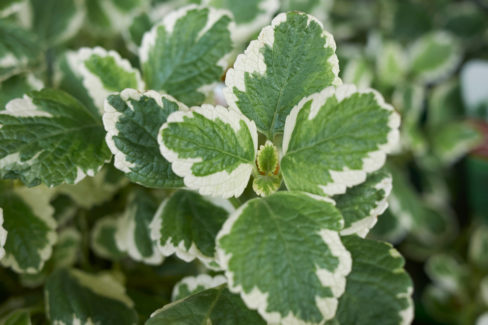
The Swedish Ivy (or *Plectranthus*) is a massive family with over 350 different species. But here’s the kicker: out of all those varieties, only one is even remotely frost-tolerant. For the rest of us, that means if we want our plants to survive until next spring, we’ve got to give them a little extra TLC before the winter chill sets in.
Time to Head Indoors (By November at the Latest)
Since Swedish Ivy is a total lightweight when it comes to frost, you’ll want to move it inside as soon as those first chilly nights start creeping in. Your best bet is a bright, cool room. You don’t want it *too* warm, though—if the room is toasty, the plant won’t get the “dormancy” rest it needs. Aim for a sweet spot between 50°F and 60°F (10–15°C). And remember, even in winter, these guys are sun-seekers, so make sure they’re getting plenty of light.
Skip the Water and Fertilizer
Because the plant goes into a bit of a “winter nap,” you actually want to stop watering and fertilizing altogether during this phase. If you keep the soil too damp, you’re just asking for root rot. While your Ivy is chilling out, just keep an eye on it to make sure no pests from your other houseplants are trying to move in. Other than that, it’s pretty low-maintenance! Once the threat of frost has passed in May (usually after Mother’s Day), it’s safe to move your plant back out into the garden.
Propagating with Cuttings
If you took cuttings late last summer, the same rules apply—wait until late spring to put them in the ground. To start your own, grab some 2- to 3-inch tip cuttings and pop them into pots filled with seed-starting mix. Keep the soil consistently moist (but not soggy!) to help those new roots take hold.
Here’s your quick “cheat sheet” for overwintering Swedish Ivy:
- Most varieties are not cold-hardy.
- Choose a winter home that is bright but cool.
- Stop watering and fertilizing during the winter months.
- Wait until May to move them back outside.