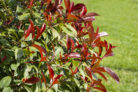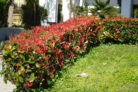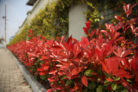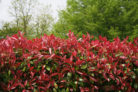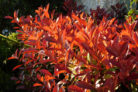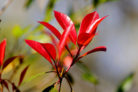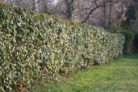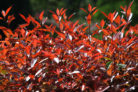
Photinias are a diverse bunch! Some species are native right here in North America, while others hail from East or South Asia. Because of those different backgrounds, their needs—especially when it comes to cold hardiness and frost tolerance—can vary quite a bit depending on the variety you choose.
How much frost can a Photinia actually handle?
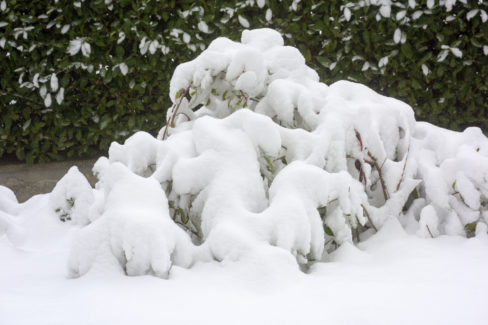
You’ll often see Photinias labeled as “hardy,” but in reality, many varieties are only moderately winter-hardy. This means they can handle a light, short-term frost just fine, but they aren’t big fans of prolonged deep freezes or extreme temperature drops. If things get too icy, you might end up dealing with frost damage. Interestingly, the biggest threat isn’t always the cold itself, but “winter burn”—a type of dehydration that happens when the plant can’t pull water from the frozen ground.
Prepping your Photinia for winter
If your Photinia is staying outdoors for the winter, your main goal is to keep that root ball from freezing solid. A thick layer of straw, mulch, or evergreen boughs usually does the trick. You should also protect the plant from those biting winter winds, which can zap the moisture right out of young shoots. It’s a good idea to keep this in mind when you’re first choosing a planting spot. Also, hold off on any heavy pruning in late fall; it’s much safer to wait until spring.
Winter care tips for your Photinia
Since Photinias are evergreens, they continue to lose moisture through their leaves all year long. To keep yours from getting too thirsty, give it a little water on days when the ground isn’t frozen. If you start seeing brown, crispy leaves, that’s usually a sign of water stress. If you’re overwintering a plant indoors or in a garage, keep up with regular watering (just use less than you would in the summer). As for fertilizing, you can take a break until the spring growing season kicks in.
Quick Winter Guide:
- Most varieties are only moderately hardy (they handle light, short-term frost best).
- Young plants are very sensitive; they need extra protection or a frost-free spot to survive.
- For outdoor plants, provide wind protection and water on thaw days.
- Potted Photinias do best when moved to a frost-free area for the winter.
- Skip the fertilizer during the winter months.
- Avoid heavy pruning in the fall.
Pro Tip: If you live in a region with particularly harsh winters, consider planting in containers. That way, you can easily move your Photinia to a sheltered, frost-free spot when the weather turns nasty.