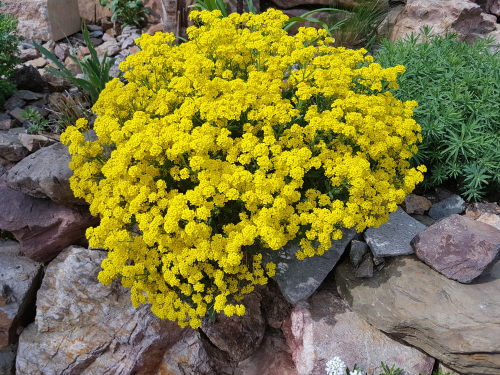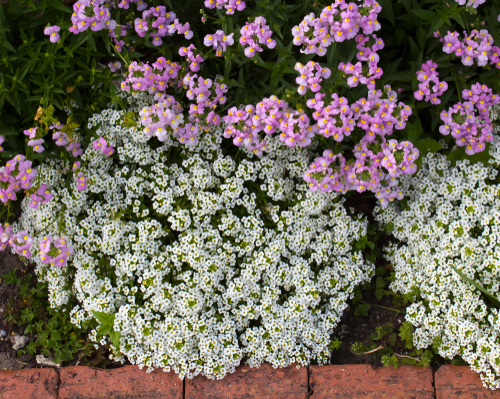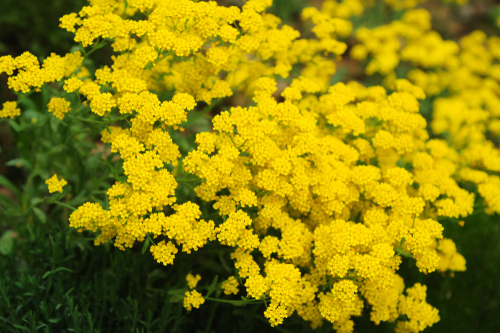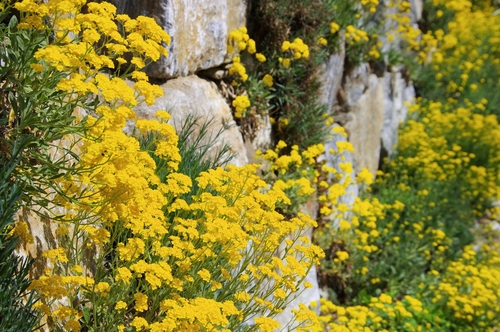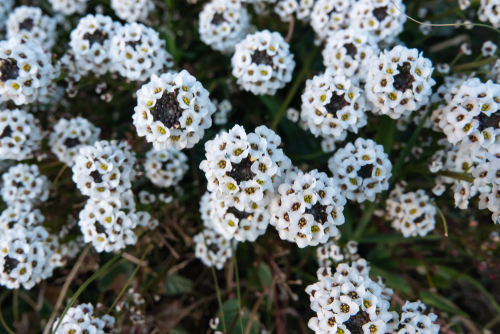
Sweet alyssum (Steinkraut) is a staple in gardens from Southern Europe to Asia Minor, and it’s even made itself right at home here in North America. While it’s technically a perennial in its native habitat, it’s not exactly built for our harsh northern winters. As soon as the leaves start to turn, most of us are left wondering: should I try to save it, or is it time to say goodbye?
Even a light frost can be a dealbreaker
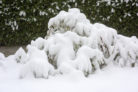
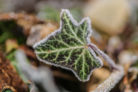
One of the coolest things about sweet alyssum is how it can tuck itself into tiny wall crevices or stone steps. It manages this because it’s a shallow-rooted plant that doesn’t need much soil to thrive. However, that “superpower” becomes a major weakness when winter hits. Since the roots are so close to the surface, they can freeze through even when the temperature just barely dips below zero. Because of this, its chances of surviving a full-blown winter outdoors are pretty slim.
The autumn prune
If you’re feeling optimistic and want to try overwintering your alyssum outside, you’ll need to cut it back right down to the ground. This gives it a fighting chance, but honestly? It’s usually better to just pull the plants up and compost them. A fresh young plant started from seeds in the spring is almost always going to be more vigorous and bloom better than an old plant that’s been stressed out by the cold.
The “lazy gardener” secret: Let it self-seed
Here’s my favorite pro tip: instead of rushing to tidy up, leave the plants alone for a bit in the fall. Let them drop their seeds naturally, and *then* clear out the dead foliage in late autumn. Those tiny seeds are surprisingly tough and can often survive the winter just fine. Come spring, you’ll likely see little volunteers popping up exactly where you want them. This saves you the hassle of collecting seeds or starting trays indoors! Give self-seeding a shot at least once—if it doesn’t work out in your specific climate, you can always go back to buying a fresh packet of seeds next spring.
Here’s the quick takeaway:
- Sweet alyssum isn’t truly winter-hardy in most regions.
- It’s best to remove old plants in late autumn.
- If the seeds don’t sprout on their own in the spring, just start fresh with new seeds.