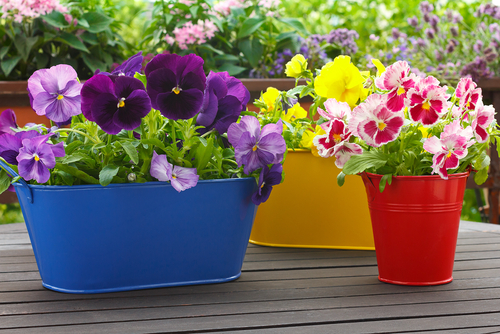
Pansies are actually biennial plants, which means they’re naturally built with a bit of winter grit. Since they need to be sown in the summer to get those beautiful blooms the following spring, they have to survive the cold months in between. However, to make sure they make it through to spring looking their best, they need a little extra TLC—especially when things get dry.
It’s All About the Variety
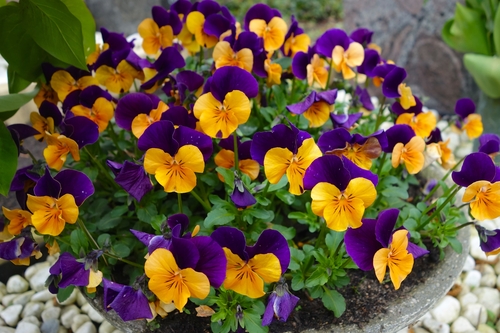
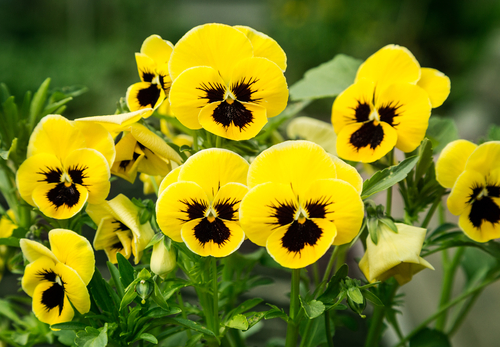
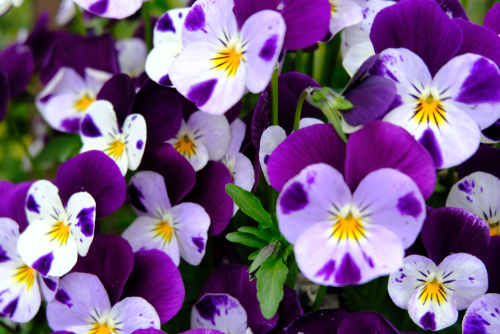
Ever since the early 1800s, breeders have been working hard to create pansies with massive petals and an extra-long blooming season. But beauty isn’t everything; they’ve also been breeding for winter hardiness. Some varieties handle the frost like champs, while others are a bit more delicate. When you’re picking out plants for your garden, don’t just go for the prettiest colors—check the tag to see how frost-resistant that specific variety really is.
The Danger of Dry Spells
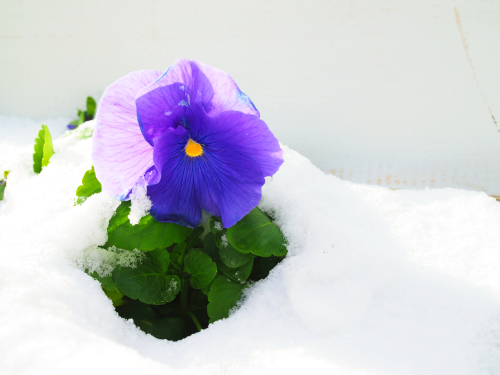
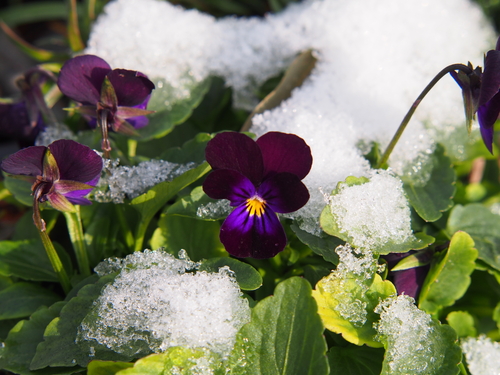
How well your pansies handle the winter often depends on the weather. If you get a nice, thick blanket of snow, your summer-sown pansies will usually sleep soundly and stay protected. The real trouble starts during dry winters. Without moisture or insulation, the frost can really do a number on them. The same goes for pansies in extra sunny spots; if the sun beats down and dries out the soil while it’s frozen, the plants can struggle to survive.
Winter Protection Tips
The good news is that you can easily prevent frost damage and dehydration. All you need to do is apply a protective mulch layer over the soil where your pansies are planted. Great natural options include:
- Fallen leaves
- Evergreen brush or twigs
- Straw
If you want to keep it simple, you can also use a piece of garden fleece (frost cloth) to cover them up during cold snaps.
Grow Your Own for Extra Toughness
A plant’s winter hardiness often comes down to its overall “constitution.” Generally speaking, pansies are much tougher if you grow them yourself from seed rather than buying pre-grown plants from a big-box store. Starting them yourself allows them to acclimate to your specific environment right from the start!