Tulips are easily some of the most iconic spring flowers out there. Whether they’re brightening up your garden beds, popping out of balcony planters, or sitting in a fresh bouquet on your kitchen table, they just scream “springtime.” But here’s a pro tip: once those petals start to fade, don’t just toss the whole plant in the compost! You can actually “harvest” your tulips to keep the magic going year after year.
Harvesting Tulip Bulbs and Seeds
If you’ve got a specific variety you’re obsessed with, you’ll probably want to propagate your tulips to get even more of them. It takes a little patience and some know-how, but it’s totally worth it. First things first: let’s talk technique. Once the bloom fades, the plant starts working overtime. It’s busy developing seeds in the ovary while simultaneously growing “bulblets” (baby bulbs) underground. This is an exhausting phase for the plant, and it needs every bit of energy it can get—including the nutrients stored in the leaves. You have to wait until the foliage is completely dry and brown before you even think about harvesting. Here’s your game plan:
- Wait for a dry, sunny day.
- Trim off the withered leaves.
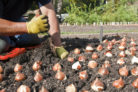
- Use a garden fork to gently loosen the soil around the bulbs.
- Carefully lift the bulbs out of the ground.
- Check for small bulblets attached to the main bulb.
- Use a sharp, sanitized knife to carefully detach these babies.
Prepping Your Bulbs
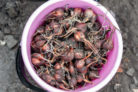
Now, give your bulbs a little spa treatment: clean them off, peel away any loose papery skin, trim back long roots, and check for any soft spots or signs of pests. If a bulb looks rotten or damaged, toss it—it won’t give you that “wow” factor next spring. The healthy, flawless bulbs should be dried out and stored in a cool, dark, and dry spot until it’s time to plant again.
Don’t throw those tiny bulblets away! If you plant them back in the dirt this fall, they’ll keep growing. It might take a few years before they’re big enough to actually produce a flower, but hey, gardening is all about the long game, right?
Harvesting Seeds
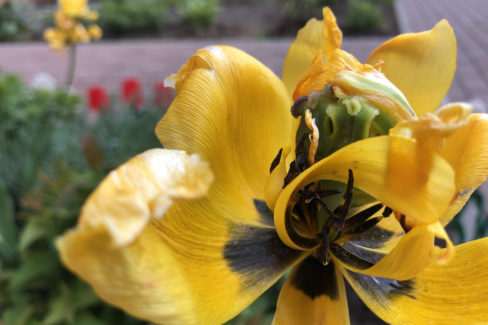
If you want to try growing tulips from scratch, leave the faded flower heads alone instead of deadheading them. It takes about 8 to 10 weeks for the seed pods to ripen. You’ve got to keep a close eye on them, though—if the pods burst open on their own, the wind will scatter your seeds before you can grab them. You’ll know they’re ready when the seed pod turns brown and feels bone-dry. Again, pick a dry day for this so the seeds aren’t damp. Snip the pods off and rub them between your hands over a bowl or a cloth. Then, use a sieve to separate those dark little seeds from the leftover plant bits.
Once they’re clean, store your seeds in a dark, dry place until you’re ready to sow them.