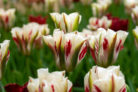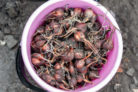
Tulips are hands-down one of the most beloved signs of spring. After a long, gray winter, there’s nothing like seeing those vibrant colors popping up in your garden or brightening up your living room in a vase. But if you want that spectacular floral show, timing is everything when it gets to planting.
When is the best time to plant tulip bulbs?
Tulips actually need a “cold snap” to trigger their growth, so you want to wait until the outdoor temperatures are consistently in the 40s or low 50s (Fahrenheit). Depending on where you live, this window usually opens in late September and can stretch all the way into December. The golden rule? Get them in the ground before the soil freezes solid. Most gardeners aim for mid-to-late October. This prevents the bulbs from getting “confused” by a random warm spell; if they start sprouting leaves too early, the winter frost will zap them, and you won’t get any flowers in the spring.
Location and Soil
Tulips are sun-seekers, so find them a warm, bright spot. If you’re planting taller varieties, try to pick a place that’s a bit sheltered from heavy winds so they don’t topple over. They’re super versatile—they look great in flower beds, containers, or window boxes. Wild or botanical tulips even do well in rock gardens or dry meadows. For the happiest bulbs, your soil should be:
- Loose and nutrient-rich
- Well-draining (this is huge!)
- Free of standing water
- Slightly sandy
- Enriched with a little compost
How to plant your tulip bulbs
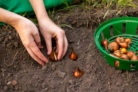
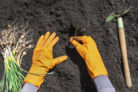
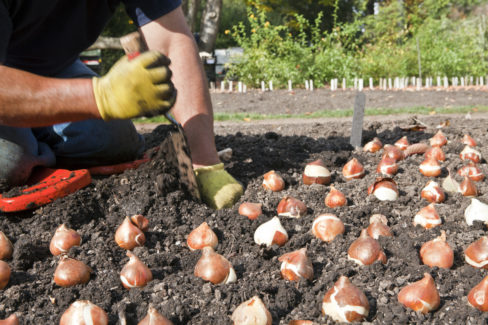
Before you start digging, loosen up the soil. If you have heavy clay, mix in some sand to help with drainage. If your garden stays pretty damp, you’ll definitely want to create a drainage layer. Here’s my step-by-step guide for success:
- Pick your perfect sunny spot.
- Dig a hole that is at least twice as deep as the bulb is tall.
- If you need extra drainage, dig just a little deeper.
- Add a layer of coarse gravel or broken terracotta pieces at the bottom.
- Toss in a little soil and a handful of horn meal (or a bulb-specific fertilizer) to give them a head start.
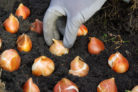
- Place your bulbs in the hole.
- Make sure the pointy end is facing up! This makes it much easier for the sprout to find the light.
- Give them some breathing room—space them about 4 inches apart, depending on their size.
- Fill the hole back up with soil (mixing in some compost here is a great idea).
- Press the soil down firmly and give them a gentle watering.
- Pro tip: Stick a little marker in the ground so you don’t accidentally dig them up later!
Growing Tulips in Pots and Window Boxes
If you’re planting in containers, drainage is your number one priority. Make sure your pots have holes and use a drainage layer so the bulbs don’t rot. Just like in the garden, plant them during the cool autumn months. Since pots and boxes are more exposed to the elements than the ground, they can freeze through during a harsh winter. To protect them, move your containers against a house wall, place them on an insulating mat (like wood or foam), wrap the pots in burlap or bubble wrap, and cover the soil with some evergreen branches.