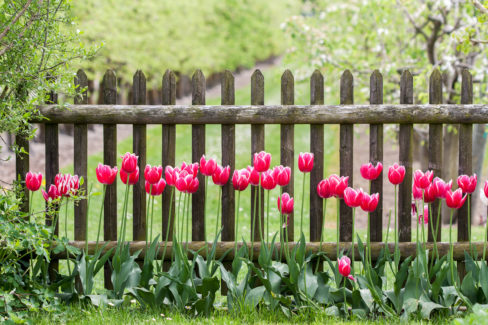
Spring is officially the season of early bloomers, and let’s be honest—nothing says spring quite like tulips! You can start spotting the first pops of color in the garden as early as March. Usually, these early birds are wild tulips, which are tough enough to stay in the ground year-round. But the real show happens from late March through mid-May. If you’ve ever visited Holland during this time, you know the sight of seven million tulips in bloom is absolutely breathtaking. Luckily, you don’t have to fly to Europe to enjoy them; you can have a stunning display right in your own backyard or on your balcony, as long as you get your timing right.
When do tulips bloom?
If you follow nature’s rhythm and get your bulbs in the ground at the right time, you’ll be rewarded with vibrant colors during the first few weeks of spring. Pro tip: if you mix and match varieties with different blooming schedules, you can keep your garden looking fresh and colorful for a much longer stretch!
A breakdown of blooming times
Tulips are generally grouped into early, mid-season, and late bloomers. Here’s a quick guide to who blooms when:
- Wild Tulips: These are your first splashes of color in March. They’re great because they stay in the ground and naturalize (multiply) on their own.
- Kaufmanniana Tulips (Waterlily Tulips): These dainty flowers with pointed petals also start showing off in March.
- Fosteriana Tulips: Known for their striking black centers with yellow borders, these beauties bloom starting in April.
- Darwin Hybrids: These are the classics—tall stems and huge blooms that peak from late April to mid-May.
- Lily-Flowered Tulips: These elegant, slender flowers with pointed petals usually make their debut in early May.
- Parrot Tulips: With their wavy, fringed, and ruffled petals, these artistic flowers brighten up the garden throughout May.
- Viridiflora Tulips: These unique, green-streaked tulips are some of the last to join the party, blooming in mid-May.
When to plant
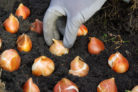
To make sure your tulips are ready to shine in the spring, you need to get them in the ground in late fall. As long as the soil isn’t frozen solid, you can still plant your bulbs. In many areas, even December offers perfect planting conditions. That winter chill is actually necessary—it triggers the bulb to wake up and start growing when the weather warms up.
You might wonder why you see tulips in flower shops or pots around Christmas time. How do they do that? That’s a Dutch specialty! Growers use large cold-storage rooms to “trick” the bulbs into thinking winter has already passed. Once they move them into warm greenhouses, the bulbs start “forcing” or growing rapidly. With some clever planning, they can have fresh tulips ready for your holiday table long before the garden wakes up.