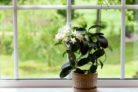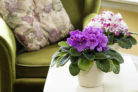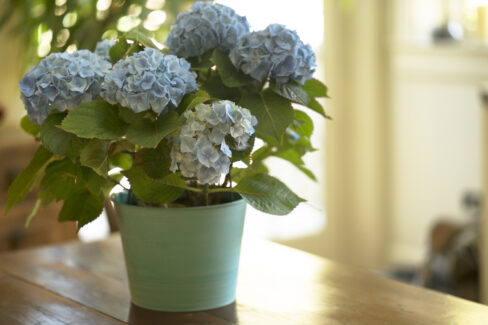
Hydrangeas are surprisingly easygoing and can actually handle warm indoor temperatures quite well. This means you can totally enjoy them as houseplants! However, keeping them in a pot indoors does require a little more TLC than if they were planted out in the yard. Here’s everything you need to know about keeping your hydrangea happy and healthy inside.
Finding the Perfect Spot and Temperature
While most hydrangeas love a shady or semi-shady spot when they’re outdoors, you don’t want to keep them in the dark when they’re inside. Make sure your plant is in a bright, sunny room, but keep it out of direct, harsh sunlight. If your hydrangea gets too hot, it’ll let you know pretty quickly—the leaves and blooms will start to droop. That’s your signal that it’s time to find a slightly cooler or more shaded corner.
Ambient temperature is also key for indoor success. Hydrangeas thrive at standard room temperatures (around 68°F to 72°F). Just keep in mind that if they stay in a warm room 24/7, the flowers might wilt a bit faster than they would if they were growing on a balcony or out in the garden.
How Much Water Does an Indoor Hydrangea Need?
Botanists call this plant *Hydrangea*, and the name is a huge clue to its personality: “hydro” means water! These plants are thirsty and need consistently moist soil to stay vibrant. When you’re growing them indoors, you’ll need to water regularly. However, make sure the pot has good drainage—standing water at the bottom of the pot is a recipe for root rot. It’s also best to use soft water (low in lime/calcium) whenever possible.
Great options for watering your hydrangea include:
- Clean rainwater
- Tap water that has sat out for a while
- Naturally soft tap water
Hydrangeas generally prefer soil with a slightly acidic pH. If you use water with too much lime, the soil becomes more alkaline over time. For the best results, use a potting mix specifically designed for hydrangeas, rhododendrons, or azaleas. Don’t forget to fertilize regularly, too! This gives the plant the energy it needs to maintain those lush leaves and stunning blooms. Fun fact: depending on your soil’s pH level, your hydrangea might even show off different colors!