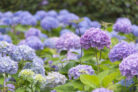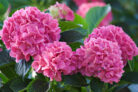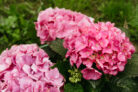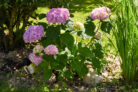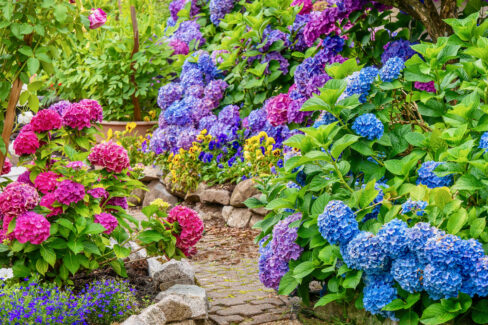
We love hydrangeas for those massive, stunning flower heads and lush green foliage. But it’s a total heartbreaker when you walk out to the garden and see your hydrangea looking all droopy and sad. Usually, when those blooms start sagging, it’s a sign that something is off with the plant’s “hydration station.” Here’s a look at why your hydrangea might be wilting and how you can fix it.
Is your hydrangea getting enough water?
There’s a reason the botanical name for this plant is *Hydrangea*—the “hydra” part literally means water! These plants are thirsty. If you notice the flowers drooping suddenly, the most common culprit is dehydration. This happens a lot if your hydrangea is sitting in a sunny spot and isn’t getting a deep soak every day. Because those green leaves are so big, they lose moisture fast through evaporation. If you move your plant to a shady or partially shaded spot, you won’t have to be out there with the watering can nearly as often.
Here is the “sweet spot” for a happy hydrangea:
- Moist, nutrient-rich soil
- A spot with partial shade or full shade
- The right pH level (this actually affects the bloom color depending on the variety!)
Pro tip: You can help the soil stay moist by adding a layer of bark mulch around the base of your plants. Mulch acts like a sponge, holding onto water and nutrients and releasing them slowly. It’s a great way to give your hydrangea a steady supply of moisture throughout the day.
Could it be “wet feet” (root rot)?
Believe it or not, a hydrangea can actually look like it’s drying out if it’s sitting in *too much* water. If the roots are constantly submerged, they can’t breathe. This leads to waterlogging, which causes the roots to rot. When the roots rot, they can’t pump water up to the rest of the plant, and—you guessed it—the flowers start to droop.
If your hydrangea is wilting even though the soil feels soaking wet, you likely have a drainage problem. In this case, your best bet is to dig the plant up and trim away any mushy, rotted sections of the root ball. Then, replant it in a spot with better drainage. Adding a drainage layer (like gravel or coarse sand) at the bottom of the planting hole can also help make sure excess water flows away from the roots.