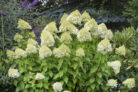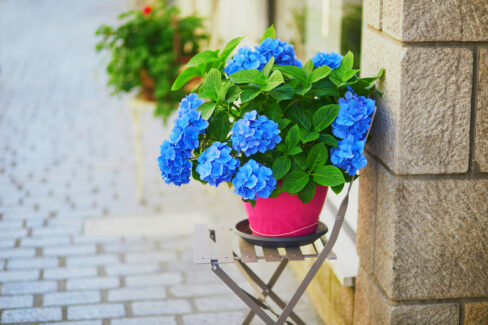
Most gardeners absolutely love hydrangeas for those stunning, show-stopping blooms. And here’s some great news: you don’t need a huge backyard to grow them! Hydrangeas do surprisingly well in containers. As long as you give them a little TLC, they’ll reward you with gorgeous flowers all season long. Here’s my guide on how to keep your potted hydrangeas happy and healthy.
The Dirt on Soil and Watering
The botanical name *Hydrangea* actually comes from the Greek word for “water vessel,” which tells you everything you need to know: these plants are thirsty! They also have a big appetite for nutrients to support all that lush foliage and those heavy flower heads. Plus, they’re a bit picky about their soil pH—they prefer things on the slightly acidic side to really make those colors pop.
When growing hydrangeas in pots, meeting these needs is key. You’ll want a well-draining potting mix with the right pH level. Keep the soil consistently moist, but be careful! You definitely want to avoid standing water. If those hydrangea roots sit in a soggy pot for too long, they’ll rot. Part of a good care routine also includes regular fertilizing and repotting once the plant outgrows its home.
Best soil options for your pots:
- Specialized hydrangea potting mix
- Azalea mix
- Rhododendron soil
- A mix of forest soil and coarse leaf compost
Finding the Perfect Spot
Your potted hydrangea needs a bright location to thrive. The cool thing is that you can keep them indoors, on the balcony, or out on the patio. Just try to avoid spots with harsh, direct midday sun. Most varieties prefer partial shade or dappled sunlight. If you’re keeping them outside, try to find a cozy spot that’s protected from strong winds.
Winter Care for Potted Hydrangeas
Since the roots are in a container rather than deep in the ground, they’re a bit more vulnerable to freezing temperatures. Even if your hydrangea variety is labeled “hardy,” you’ll still want to take some winter protection steps. You can wrap the pot in burlap or garden fleece to insulate it, or move your hydrangea into a cool basement or garage until the spring thaw.