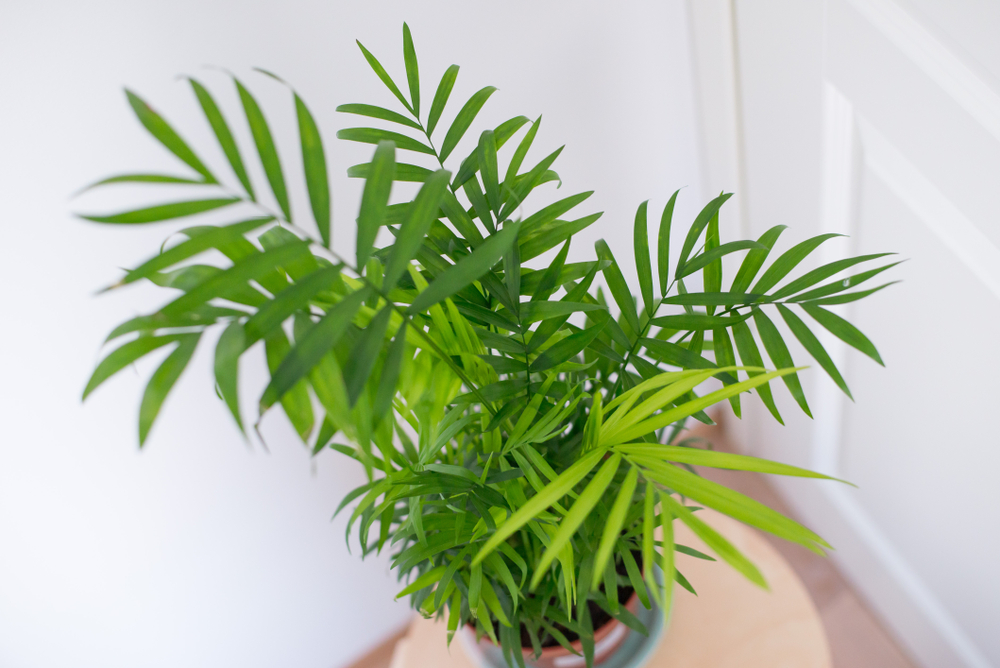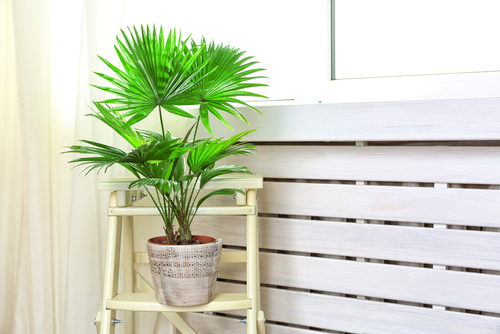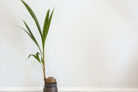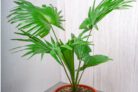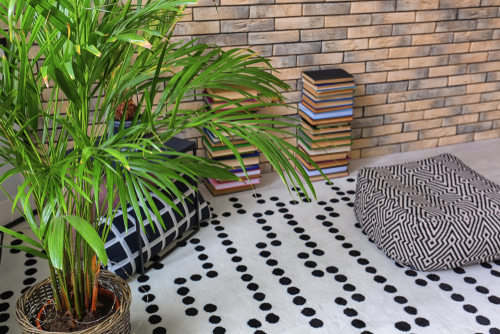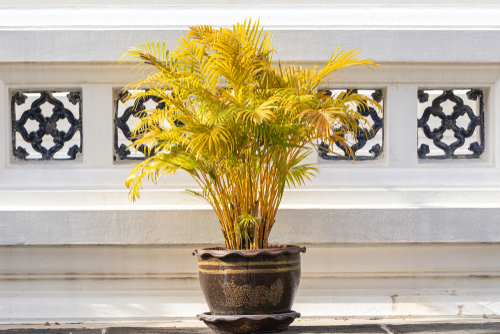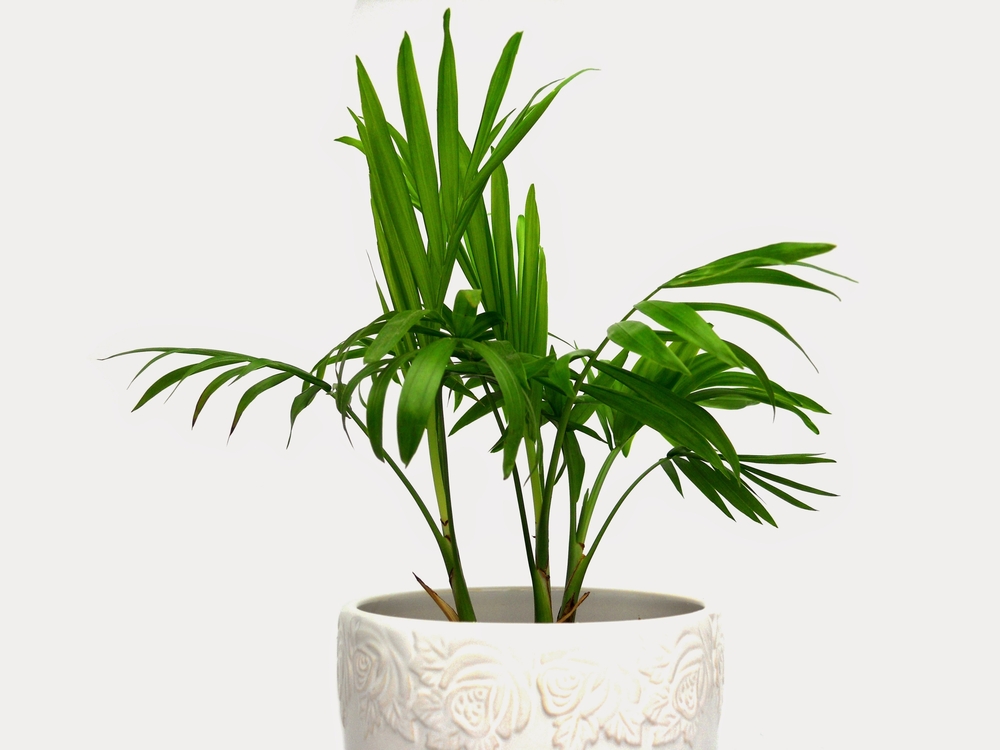
Parlor Palms (Chamaedorea elegans) are beautiful feathery palms that originally hail from the mountain forests of Mexico. In their natural habitat, they thrive in the shade of much larger trees. Because they are so low-maintenance, they’ve become a go-to favorite for indoor gardeners and can be found brightening up living rooms everywhere.
Appearance
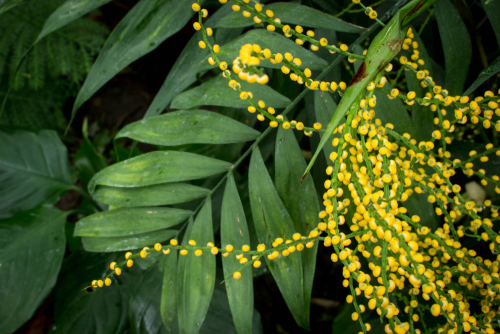
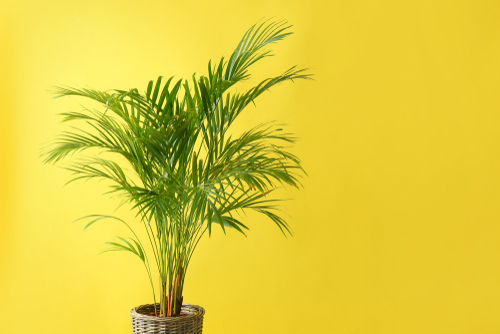
When grown as a houseplant, a Parlor Palm rarely gets taller than about 4 feet. You can recognize them by their slender, finger-thick stems and those elegant, slightly arched fronds. One of the coolest things about them? Once they hit two or three years old, they’re the only indoor palm that regularly produces little yellow, bead-like flowers.
The Perfect Spot
While the Parlor Palm is pretty easygoing, it does have a few preferences when it comes to where it lives in your home.
- It loves a bright spot, but keep it out of direct sunlight—too much sun can scorch those leaves.
- It can handle lower light levels, though it won’t grow quite as fast.
- Be careful, though: if it’s too dark, the plant will struggle and start developing brown leaves.
- During the summer, feel free to move it outside to a shady or semi-shady spot on your patio.
- Indoors, it’s happiest at temperatures between 60°F and 77°F.
- In the winter, it actually prefers a cooler “rest” period (down to about 50°F).
Care Tips
Parlor Palms are thirsty plants! They love consistent moisture, and you can even give them a “bath” every two weeks by dunking the pot in water so the root ball can get a good soak. To keep the humidity levels up (which they love), just give the leaves a regular misting with water.
During the growing season, feed your palm once a month with a diluted liquid fertilizer. I recommend repotting once a year; if you see roots poking out of the top of the soil, it’s definitely time for a bigger home.
The Right Soil
You’ll want a soil mix that is loose and rich in nutrients. Mixing in a little compost can help make the soil more humus-rich. These palms prefer a slightly alkaline pH, so a specialized palm potting mix or even herb soil works great. To prevent the dreaded “soggy feet” (root rot), add a drainage layer of clay pebbles or broken terra cotta pieces at the bottom of the pot.
Winter Dormancy
While your Parlor Palm enjoys the warmth during its growing phase (March through September), it likes to chill out—literally—during the winter. Temperatures between 53°F and 57°F are ideal for its rest period. You should also scale back on watering during the winter; only give it a drink once the top layer of soil feels dry. Just remember: these palms aren’t hardy and can’t handle freezing temperatures for long!