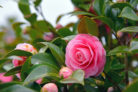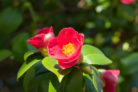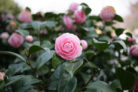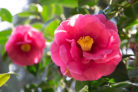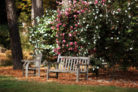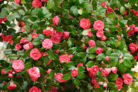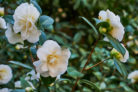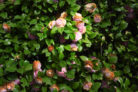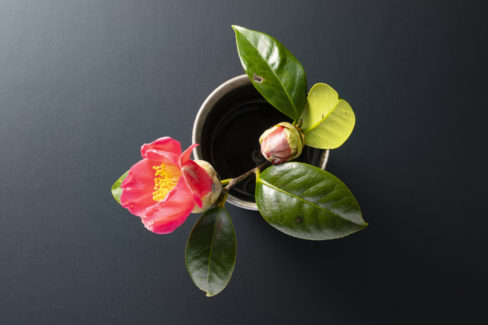
There’s nothing quite like the charm of a blooming Camellia. One of the most popular varieties out there is the Japanese Camellia (*Camellia japonica*). Unfortunately, most of these beauties aren’t exactly fans of freezing winters, which is why many of us grow them as indoor plants—or at least try to!
Debunking Camellia Myths
Camellias have a reputation for being a bit “diva-ish” and difficult to care for. While they might be a little pickier than your average pothos, a lot of the stress comes from common misconceptions. Let’s clear up two of the biggest myths:
- The “Indoor Plant” Myth
- The “Don’t Move Me” Myth
Myth: They Are Permanent Indoor Plants
You’ll often see Camellias sold as houseplants, but that label is a bit misleading. Calling them “indoor plants” doesn’t mean they want to spend their entire lives inside four walls. It’s more accurate to think of them as container plants. Unlike the hardy varieties you can plant directly in your garden, these guys just need the flexibility of a pot.
Myth: You Can’t Move the Pot
You might have heard that Camellias hate being moved, but that’s not entirely true. In fact, these plants absolutely love spending their summer vacation outdoors in the fresh air. To really thrive, they actually *need* that outdoor season. They aren’t meant to be 100% indoor plants.
However, once the thermometer starts dipping toward freezing, it’s time to bring them in off the patio, as they just can’t handle frost. Move them to a bright spot for the winter where temperatures stay between 50°F and 60°F (10-15°C). A cranked-up, heated living room is usually too dry and warm for a Camellia to overwinter happily.
Care Tips
Since a potted Camellia only has a limited amount of soil to draw nutrients from, it needs a little more TLC than a shrub planted in the ground.
Watering
How much and how often you should water depends on a few things:
- The size of your plant
- The specific variety (some grow faster than others)
- Where it’s sitting (sun vs. shade)
- The weather (hot and dry vs. rainy)
- The pot (shallow vs. deep)
The golden rule? Never let the soil dry out completely. During their active growth phase—from the end of the blooming season through the fall—give them a deep soak so the water reaches the bottom roots. You can scale back a bit in the winter. For best results, use rainwater or filtered tap water, as they aren’t big fans of lime.
A great trick is the “thumb test.” Stick your thumb into the soil; if it still feels moist at that depth, you can hold off on watering. On scorching summer days, check them more often—they can get thirsty fast!
Fertilizing
You’ll want to fertilize your Camellias from late May through mid-July while they are pushing out new growth. A standard rhododendron fertilizer or a nitrogen-rich liquid fertilizer works wonders. To play it safe and avoid over-fertilizing, I recommend using only half the dose suggested on the package. Keep it consistent—once a week or every two weeks is the sweet spot.