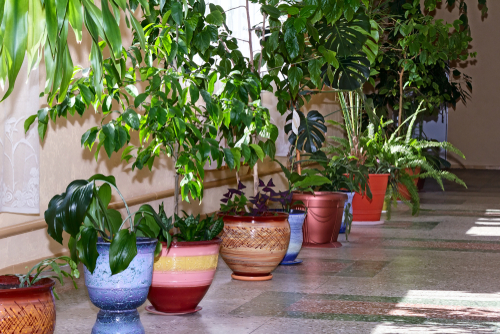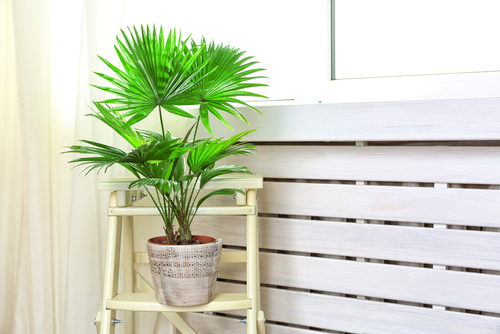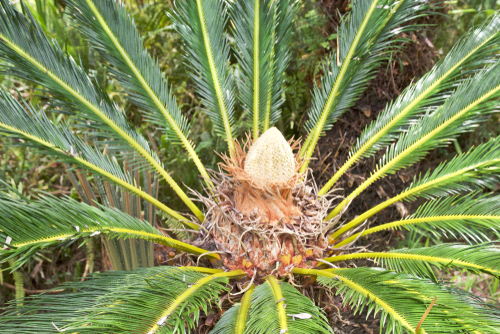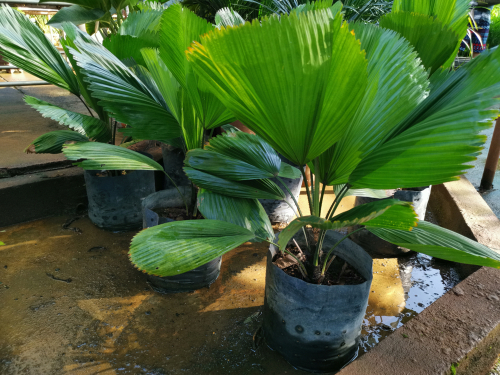
There are roughly 2,600 different palm species across the globe, and plenty of them make fantastic houseplants. Generally, we group these beauties into two categories based on their foliage: pinnate (feather-shaped leaves) and palmate (fan-shaped leaves). Then, you’ve got the “imposters”—plants that look like palms but aren’t actually part of the family.
True Palms
True palms bring an instant tropical vibe to any room. Out of the thousands of species out there, a few have become superstars in the plant world because they’re either super easy to care for or just look incredibly cool. Here are a few favorites:
- Bamboo Palm
- Bismarck Palm
- Chilean Wine Palm
- Cast Iron Plant
The Bamboo Palm
Hailing from Central America, this palm is a real trooper. It’s flexible with lighting—it can handle lower light levels but is also perfectly happy soaking up direct sun. Just make sure to give it regular water and a little fertilizer once a month. Since it’s not a fan of the cold, you’ll need to find it a cozy spot indoors once winter hits.
The Bismarck Palm
This one is a total showstopper thanks to its striking silvery-white fronds (which get their color from a waxy coating). Originally from Madagascar, the Bismarck is a bit of a diva and requires some extra TLC. It loves a sunny spot and can bloom several times a year. During the winter, it needs a cool, bright room that stays well above freezing.
The Chilean Wine Palm
Coming to us from Chile, this palm is a great choice for smaller spaces. At a compact size of about 12 inches, it fits perfectly on a windowsill, balcony, or patio. When winter rolls around, the Wine Palm can actually stay outside until a hard frost hits. After that, move it to a bright indoor spot to wait out the cold.
The Cast Iron Plant
If you’re tight on space, this is your plant. It only grows to about 28 inches tall and is famous for being nearly indestructible. It actually prefers shade or partial shade and can even spend some time outdoors. During the growing season, give it moderate water and fertilizer every two weeks. Just be sure to bring it inside once temperatures dip below 55°F.
The “Imposters” (False Palms)
These plants might look like palms at first glance, but botanically speaking, they belong to entirely different plant families. Here are the most common “fakes”:
- Elephant’s Foot (Ponytail Palm)
- Yucca Cane
- Dragon Tree (Dracaena)
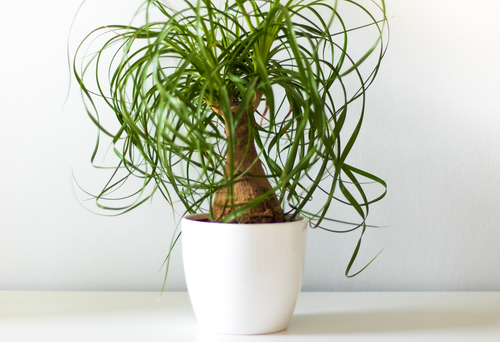
The Elephant’s Foot
With its thick, bulbous trunk, this plant looks incredibly exotic, but it’s actually a member of the asparagus family! It loves a bright, sunny spot, though it’s best to keep it out of the harsh midday sun to avoid leaf burn. Give it regular water during the growing season, but let the soil dry out between drinks. In the winter, it barely needs any water at all.
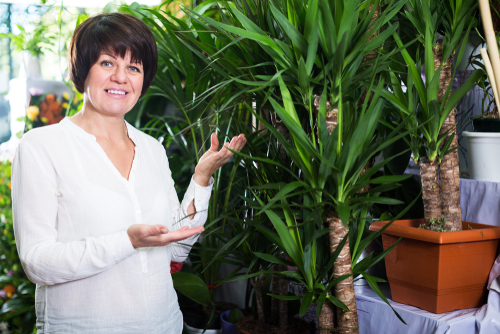
The Yucca Cane
This is probably the most iconic “indoor palm,” even though it’s technically a type of Yucca lily. It’s pretty straightforward to care for: give it plenty of light, well-draining soil, and moderate water and fertilizer during the summer. If you have a porch or patio, it’ll love spending the summer outdoors. For winter, just move it to a bright, frost-free room.
The Dragon Tree
The Dracaena is a low-maintenance dream and another member of the asparagus family. It’s super decorative, with leaves that can be green, white, or even tinged with red. It prefers partial shade but still needs a decent amount of light to stay healthy. Keep the soil slightly moist and hit it with some fertilizer every two weeks to keep it happy.