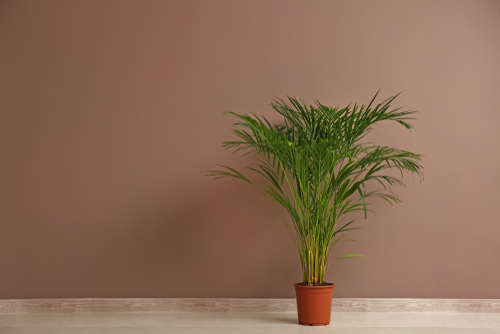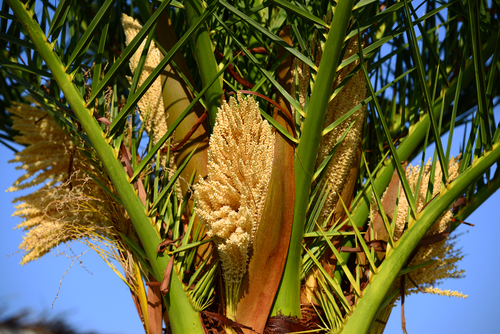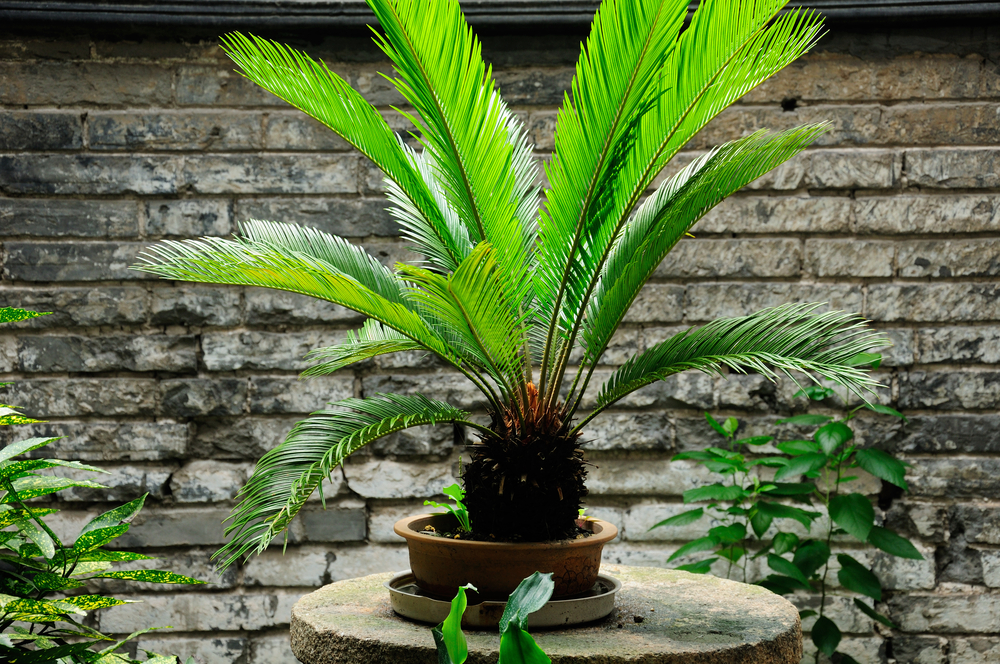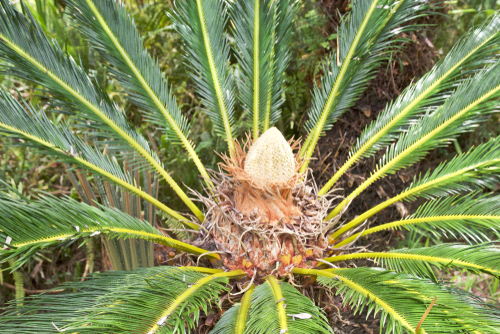
When it comes to palm trees, blooming is a bit of a mixed bag. Every species has its own unique schedule. Some palms take decades to show off their first flowers, some will happily bloom right in your living room, and others—well, they might never bloom indoors at all.
Everything You Need to Know About Palm Blooms
Palm flowers are often a rare sight and can be surprisingly subtle. Their blooming habits vary wildly across the board:
- Early Bloomers: Some species start flowering when they’re still quite young.
- The Late Bloomers: The Chilean Wine Palm (Honey Palm) is the ultimate test of patience—it doesn’t bloom until it’s about 60 years old!
- The “Grown-Up” Phase: Many palms, like the Windmill Palm, wait until they reach a certain size (usually around a 3-foot trunk) before they start flowering.
- The Regulars: Some, like the Parlor Palm, will treat you to flowers every single year.
- Multiple Rounds: The Bismarck Palm is a showstopper that can bloom several times a year, featuring white flowers followed by brown berries.
- The “One and Done”: Some species, like the Talipot Palm, bloom only once in their lifetime and then die shortly after.
If you keep your palms strictly indoors, don’t be discouraged if you don’t see flowers—it’s pretty rare in a living room setting. However, if you really baby your plants, you might get a surprise! The Parlor Palm is actually one of the few that blooms quite reliably even as a houseplant.
Palms That Bloom in Our Climate
In our neck of the woods, you’re most likely to see blooms if your palms spend time outdoors in an ideal spot.
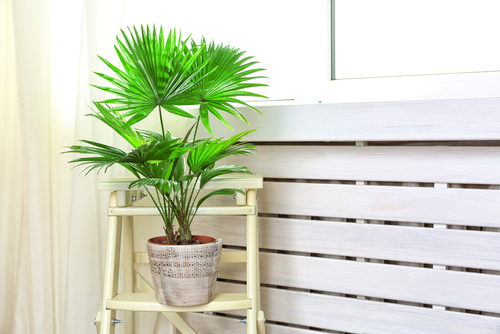
Windmill Palm (Trachycarpus fortunei)
You’ll only see flowers on mature plants, and while it’s rare indoors, it’s much more common if they’re planted outside. These palms are “dioecious,” meaning you need both a male and a female plant to get fruit. Both will flower: the males sport a vibrant bright yellow, while the females are more of a yellow-green.
King Palm (Archontophoenix alexandrae)
Known for its sleek, ringed trunk, this palm is a beauty. It produces flower panicles right where the fronds meet the trunk, which eventually turn into eye-catching red berries.
The “Imposter” Palms
There are a few popular plants that look like palms but actually belong to different botanical families, like the Yucca and the Dragon Tree.
The Blooming Yucca
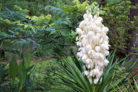
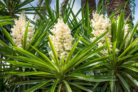
Yuccas are tough-as-nails and super easy to care for. Whether you keep yours in the garden (many are cold-hardy!) or the living room, a well-loved Yucca will eventually sprout a tall stalk covered in beautiful white or cream-colored bell-shaped flowers.
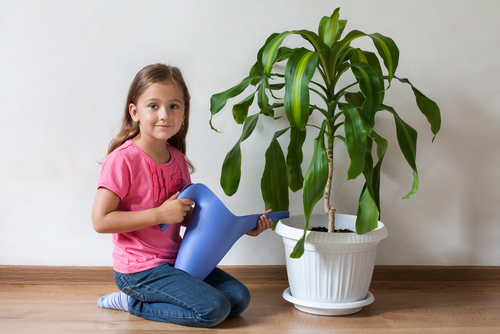
The Flowering Dragon Tree (Dracaena)
Unlike the Yucca, the Dragon Tree can’t handle the cold and needs to stay indoors for the winter. If it’s happy with its spot, it might surprise you with a sudden burst of green-white or reddish flowers. It doesn’t happen often, though!
Pro Tip: Flowering takes a ton of energy. If your plant is looking a little weak or stressed, it’s actually better to snip the flower buds off early so the plant can focus its strength on staying healthy.