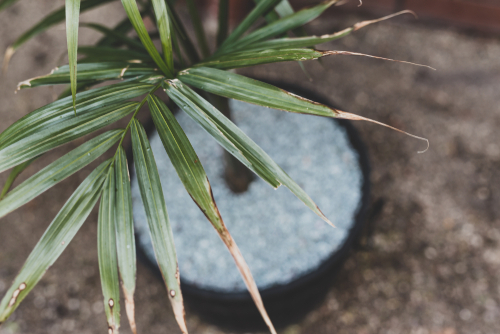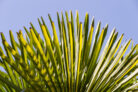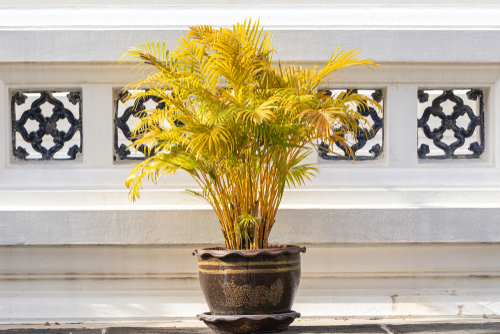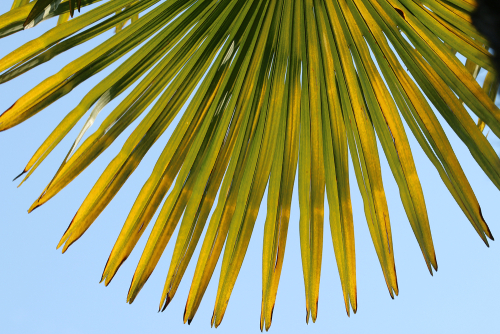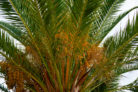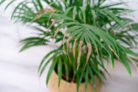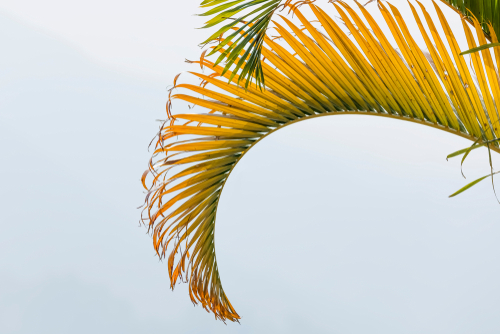
Even though indoor palms are generally tough, low-maintenance roommates, seeing those dreaded brown leaves is a common headache for many plant parents. Usually, it’s just a sign that something in their routine is a little off.
Why Are My Palm Fronds Turning Brown?
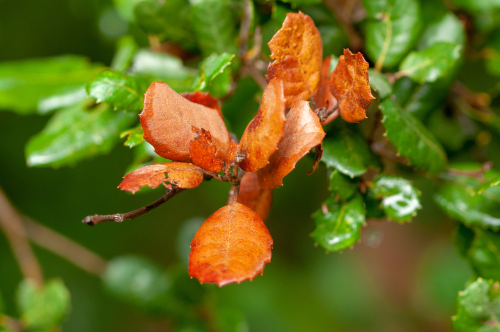
When your palm starts sporting brown tips or leaves, it’s basically its way of telling you it’s unhappy. Usually, it means its growing conditions are out of whack.
Common culprits include:
- Watering mishaps
- Not enough nutrients
- Low humidity
- Lighting issues
- Winter care mistakes
Getting the Watering Just Right
Palms are all about balance when it comes to H2O. Too much water leads to soggy soil (a big no-no), while too little will leave your plant parched. The golden rule? Water when the top inch or two of soil feels dry to the touch. Give it a good soak until water runs out of the drainage holes, but make sure to empty the saucer shortly after. You never want your palm’s roots sitting in standing water—that’s a fast track to root rot.
Nutrient Deficiencies
Brown fronds can sometimes be a cry for food. Make sure your palm is in a large enough pot so it doesn’t run through its soil nutrients too quickly. Fresh potting mix usually feeds a plant for about six to eight weeks; after that, it’s time to start fertilizing. Just be sure to follow the package directions closely, because over-fertilizing can actually cause brown leaves too!
The Humidity Factor
Most palms crave high humidity. Since our homes aren’t exactly tropical rainforests, we have to give them a little help. Regularly misting your plant with filtered water works wonders. You can also set out bowls of water nearby or run a small indoor fountain. As the water evaporates, it creates a much happier environment for your palm.
Shedding Light on the Situation
Palms love bright, indirect light. A sun-drenched sunroom or a bright spot on the patio is paradise for them. If you’re keeping your palm indoors over the winter, it might struggle with the lack of sun. A grow light can be a total lifesaver here. Just a heads-up: when you move your palms back outside in the spring, acclimate them slowly. If you toss them directly into the harsh sun, they can actually get a “sunburn,” which shows up as—you guessed it—brown spots.
Winter Care Blunders
If you notice brown leaves during the winter, it’s usually because the plant is getting too much water and not enough light or warmth.
The ideal winter setup is a room with moderate temperatures, plenty of humidity, and lots of light (don’t be afraid to use that grow light!). Hold off on the water until the soil is truly dry. Since the palm goes into a resting phase during the winter, it needs way less water and absolutely no fertilizer until spring.