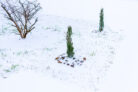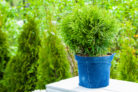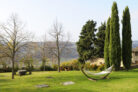
The Columnar Cypress—also known as the Italian or Mediterranean Cypress—is a staple of the sun-drenched landscapes of Southern Europe. These days, you’ll see these slender, evergreen beauties popping up in gardens all over the States. It’s easy to see why; they instantly add that classy, Mediterranean vibe to any backyard. However, while they are generally low-maintenance, there is a catch: they aren’t exactly fans of a true American winter. These trees can suffer from frostbite pretty quickly if temperatures stay below freezing for too long.
Is the Italian Cypress Winter-Hardy?
The short answer is: only to a point. Most Italian Cypresses can only handle light frosts. Keep in mind that this usually applies to trees bought from local nurseries that are acclimated to your region. If you’re tempted to bring a seedling back from a trip to a warmer climate, be careful—those varieties often can’t handle even a light dip below freezing, even for a short burst!
Because of this, I’d only recommend planting them directly in the ground if you live in a mild climate (think USDA zones 7-10, like wine country or the South). If you live somewhere colder, your best bet is to keep your cypress in a large container. Just remember to give it a regular trim, as these fast growers can reach heights of up to 60 feet in the wild!
Choosing the Right Spot for Your Cypress
If you’ve decided to take the plunge and plant your cypress in the garden, location is everything.
Here is what the perfect “home” looks like:
- Sun is key: Pick a warm, sunny spot that’s shielded from drafts. This helps the tree stay strong and better equipped to handle a cold snap.
- Use a windbreak: Planting your tree near a south-facing house wall or a sturdy fence is a great move. It protects the foliage from icy winter winds and harsh weather.
- Age matters: Only transplant older, established trees into the ground. Young saplings are much more delicate. It’s better to keep them in pots for the first few years so you can move them to a bright, cool, frost-free spot for the winter.
How to Overwinter Your Italian Cypress
If your cypress is in a pot, try to keep it in a bright room at around 40-45°F (5°C) during the winter. Even though it’s an evergreen and doesn’t like the frost, it still needs a “dormancy” period to rest.
For trees planted outdoors, you’ll want to wrap them in specialized garden fleece or burlap sacks. Pro tip: Make sure the material is breathable and lets light through! Since these are evergreens, they still need light to survive their winter nap.
Only use heavy, light-blocking covers for very short periods during extreme cold snaps, and take them off as soon as the temperature rises. Whatever you do, never use plastic wrap. It traps moisture, which is a one-way ticket to fungal diseases and root rot.
Extra Tips for Success
You can comfortably keep an Italian Cypress in a pot until it’s about 3 feet tall. After that, you’ll either need to plant it in the ground (if your climate allows) or commit to a regular pruning schedule to keep it manageable.
If you live in a region with harsh winters and don’t want to deal with the hassle of winter protection, don’t worry! You can get that same “tall and skinny” look with some much hardier alternatives:
- Arborvitae (Thuja): The classic choice for cold-hardy pillars.
- Leyland Cypress: Fast-growing and very resilient.
- Blue Columnar Lawson Cypress: Offers a beautiful silvery-blue hue.
- Columnar Cherry Laurel: A great evergreen option with broader leaves.