When it comes to cypress trees, you’ve got plenty of options. Whether you’re just doing a light trim to keep the interior from getting leggy or going for a bold, structural look, these trees are pretty versatile. However, there are some “golden rules” regarding timing and how deep you should cut—specifically, you’ll want to keep those shears away from the old wood!
When does a cypress actually need pruning?
Technically, a cypress can grow just fine without any help from us. But because they have such dense needles, light has a hard time reaching the center of the tree over time. When branches stay in the dark for too long, they lose their needles and go bare. If you have a standalone “specimen” tree, this isn’t a huge deal since the outer green layers hide the bare spots. Still, it’s a smart move to give young cypresses a light annual trim. This encourages thicker branching and makes the tree more robust—which is a big plus since these aren’t the most cold-hardy evergreens out there.
Of course, if you’re growing cypress as a privacy hedge or want to maintain a specific shape, pruning becomes a must-do task.
When is the best time to prune?
You want to avoid pruning right in the middle of a growth spurt. Instead, aim for the window just before new growth starts in the spring, or right as the growing season is winding down. If you’re maintaining a very formal shape, you might even need to hit both windows.
- Prune in early spring
- And/or in August or early September
- If necessary, you can prune in winter (as long as it’s not freezing)
Pro tip: Pick a cloudy day! If it’s too sunny, the fresh cuts can dry out too fast, leading to those ugly brown tips we all want to avoid. On the flip side, don’t prune in the rain, as moisture can seep into the cuts and cause rot. If you’re doing a winter trim, just make sure it’s a frost-free day.
Important things to keep in mind
There are two big rules here: always use clean tools and never cut back into the “old wood.” Clean tools should be a standard gardening habit, but it’s extra important for cypresses because they can be prone to fungal infections, which spread easily from tree to tree on dirty blades.
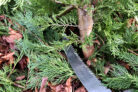
As for the “old wood” rule: cypress trees won’t grow back from old, brown wood. If you get a little too enthusiastic with the shears and cut too deep, you’ll likely end up with a permanent hole in the canopy. It’s much better to trim lightly and often than to try a “heavy” fix later.
More handy pruning tips
- Cypress is toxic and can cause skin irritation, so wear long sleeves and gloves.
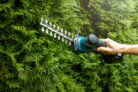
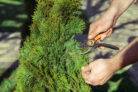
- Use sharp electric hedge trimmers or high-quality shears for clean, smooth cuts that don’t tear the branches.
- Always work from the top down to prevent branches from bending or snapping.
- Only trim healthy branches as much as absolutely necessary.
- Remove dead or diseased wood completely as soon as you spot it.
- For a young hedge, trim the new growth by about a third every year starting in the second year.
- Once the hedge reaches your goal height, just trim to maintain it.
Quick Tip:
Always check your local property line setbacks before planting. Since cypresses can reach a significant height, you don’t want to accidentally shade out your neighbor’s yard and start a feud! Plus, leaving enough space ensures you can actually get around the tree to prune it comfortably.
Creative shaping and topiary
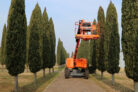
We all know that classic, tall Tuscan column look, but the dense growth of a cypress allows for so much more. You can try:
- Globes/Spheres
- Cloud pruning (Niwa-zuki style)
- Formal boxy hedges
To keep a shape that’s very different from the tree’s natural form, you’ll need to prune twice a year, plus do little “touch-up” snips throughout the season. Keep in mind that a perfect sphere isn’t made in one day—it takes patience and consistent shaping over several years. Using wire frames or templates can help you keep things geometrically perfect.
Growing cypress as a Bonsai
Arizona, Monterey, and Goldcrest cypresses make fantastic miniature trees. Because these trees naturally want to grow fast and tall, you’ll need to be diligent with heavy pruning in the spring and late summer. Beyond the big trims, you’ll do constant “pinching” to maintain the shape and use wiring to train the branches into that perfect aesthetic.
Tip:
If you’re a beginner, there’s no shame in buying a pre-trained cypress bonsai! Maintaining an established shape is often easier than starting from scratch, and you’ll learn the ropes as you go. There are tons of great books out there to help you master the art.