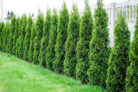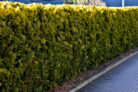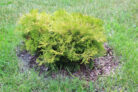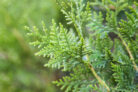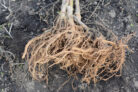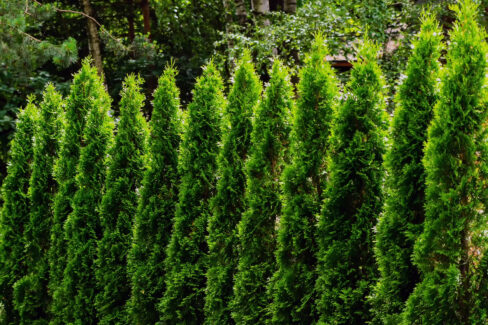
If you’re planning on planting a new hedge, it is super important to understand how those roots are going to behave underground. Thuja (also known as Arborvitae) is a shallow-rooted plant, which means it likes to spread out wide rather than deep. If you aren’t careful, that wide footprint can cause some headaches with your landscaping or driveway.
How do Thuja roots actually grow?
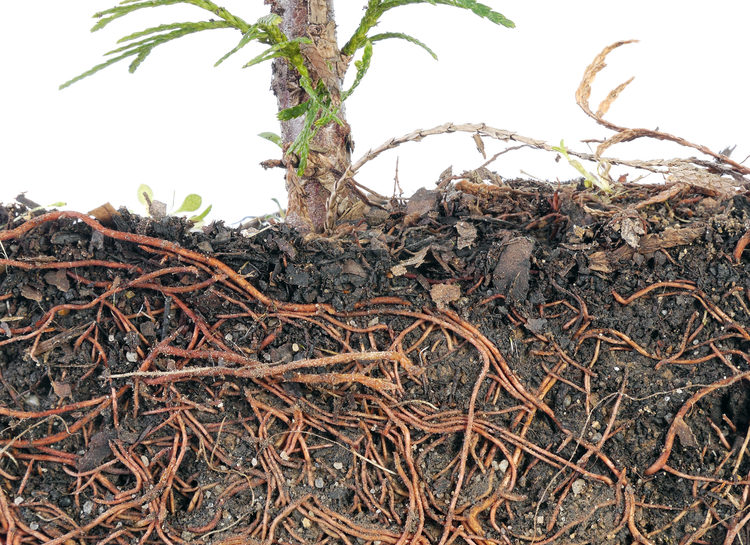
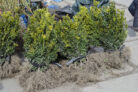
Since they are shallow-rooted, Arborvitae don’t dive very deep into the soil. Generally, the root depth depends on how tall the tree is. For a 15-foot tree, you’re looking at roots that only go down about 2 to 3 feet. Instead of going deep, they focus on spreading out horizontally. A good rule of thumb is that the root system often spreads as wide as the tree is tall.
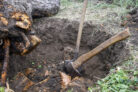
The edges of the root system consist of very fine, delicate roots that break easily. This makes transplanting a mature Thuja a real challenge, as they don’t handle root damage very well. If you have a full hedge, the roots become so intertwined underground that moving them is pretty much impossible. If you ever decide you’re done with them, your only real option is to remove the hedge entirely and dispose of it.
What exactly are shallow-rooted plants?
Just like the name suggests, shallow-rooted plants don’t send a taproot deep into the earth. You can recognize them by these traits:
- A plate-shaped growth pattern
- Minimal depth
- Significant horizontal spread
- Roots that stay very close to the surface
Why should you care about root growth when planting?
Because of that wide-spreading habit, you need to be mindful of spacing from the moment you start planting. While it’s unlikely they’ll punch through a solid concrete wall or damage deep utility lines, they can definitely lift up sidewalk pavers, patio stones, or other light garden flooring. They also have a habit of “invading” neighboring flower beds in search of nutrients.
Keep in mind that many local municipalities have specific rules about how far a hedge must be set back from property lines or public roads. Often, the required distance is based on the eventual height of the hedge. It’s always a smart move to check with your local town hall or HOA to see what the specific regulations are in your neck of the woods.