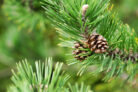
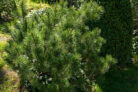
If you’ve ever admired those stunning, sculpted trees in a Zen garden, you’ve seen “Niwaki” in action. This traditional Japanese pruning style has moved far beyond Asia and is now a huge hit with gardeners right here in the States. It’s a fantastic way to give your pines a sophisticated, artistic look. If you’re ready to try your hand at it, here’s everything you need to know to get started.
How do you prune a pine in the Japanese style?
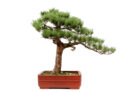
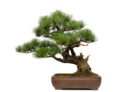
Think of Niwaki as the big brother to the classic Bonsai. The goal is similar: you’re shaping the tree to look like a miniature version of an ancient, weather-beaten giant. However, unlike Bonsai, these trees aren’t kept in shallow pots. They are planted directly in the ground, which means they won’t stay quite as small as their potted cousins.
Not every tree can handle such a heavy-handed haircut. You generally want to choose species that can sprout new growth from old wood. Luckily, pines are perfect candidates for this. Besides pines, gardeners often use Yews, Willows, Privet, evergreen Oaks, and Cedars for this style.
Tips for a successful pine Niwaki
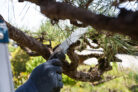
When starting a Niwaki project, you’ll usually begin with a mature pine. By pruning at the right time of year, you’ll strip the tree down to its basic skeletal structure. From there, you guide the new growth systematically. This gives you total control over the shape and ensures the tree stays healthy and vibrant.
Step-by-step pruning guide:
- Start by clearing out any dry, brittle, or dead branches.
- Shorten the main trunk by cutting it just above a pair of healthy branches.
- Thin out the tree by reducing the total number of branches.
- Trim the remaining branches back to a length of about 12 inches (30 cm).
Keep in mind that Niwaki is a marathon, not a sprint. You’ll need to prune regularly to maintain the shape, and it usually takes about five years for the tree to reach its “ideal” look. To help guide the growth, many gardeners use bamboo stakes or weights to train the branches to grow in specific directions. Give your pine some time, and you’ll have a living piece of art in your backyard!